




Sugar powers more than just your morning coffee. It fuels industries—from food and beverages to biofuels and pharmaceuticals. But there’s a cost: traditional sugarcane and beet farming consume massive water, land, and fertilizer resources, and contribute to deforestation in some parts of the world.
As global demand for sugar rises, scientists have been looking for more sustainable alternatives—ones that don’t require dedicated cropland or contribute to environmental stress. Now, they may have found one hidden in plain sight: agricultural waste.
The Breakthrough Hiding in Cornfields
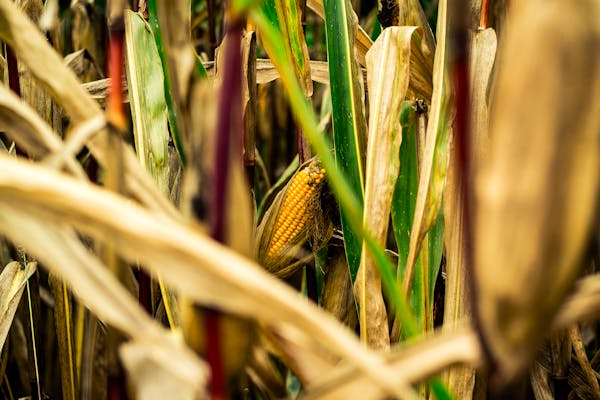
This month, researchers from a joint USDA and university lab unveiled a promising method for producing sugar from corn stalks—along with other crop residues like wheat straw and rice husks. These materials are typically discarded or burned, contributing to greenhouse gas emissions. But under a new chemical and enzymatic process, they can be transformed into usable sugars for food and industrial use.
The research team developed a multi-step technique that breaks down the tough cellulose fibers in stalks into fermentable sugars. These sugars are chemically identical to those derived from cane or beet—meaning they can be used in everything from candy bars to bioethanol, without a change in processing or flavor.
In early trials, the process produced up to 90% yield efficiency, outperforming previous attempts that struggled with impurities and low conversion rates. More importantly, it doesn’t require genetically modified organisms or complex infrastructure, making it suitable for use in rural farming regions around the world.
From Waste to Wealth for Farmers
For American farmers, this could be more than an ecological win—it’s an economic opportunity. Every year, tons of corn stover (the stalks and leaves left after harvesting) go unused or are plowed back into fields. With this breakthrough, that waste could become a second source of revenue.
Imagine a corn farmer selling both the grain and the leftover stalks—without planting an extra acre. That dual-income model could help stabilize profits in uncertain markets and reduce dependency on subsidies. Plus, turning waste into sugar reduces the need for dedicated land for sugarcane farming, which is currently under strain in many parts of the world due to climate change.
What Comes Next?
The researchers are now collaborating with private companies to scale up the technology. Pilot facilities are already being designed in Iowa and Nebraska, with the goal of integrating the sugar-extraction process into existing ethanol plants. By 2027, we could see commercial-grade sugar derived almost entirely from agricultural byproducts.
The implications extend beyond food. In the long term, this method could feed into the production of biodegradable plastics, cosmetics, and even pharmaceuticals—industries that rely heavily on refined sugars in chemical synthesis.
Rewriting the Rules of Sustainability
This isn’t just a science win—it’s a step toward smarter agriculture. With food systems under pressure to produce more with less, using what we already have more efficiently is the way forward. If the commercial rollout succeeds, your next soft drink, energy bar, or shampoo could carry a sweeter message: sustainability, innovation, and zero waste.
Source: USDA Agricultural Research Service & University of Illinois Bioeconomy Lab, Research Update – May 2025


 Share your Details for subscribe