

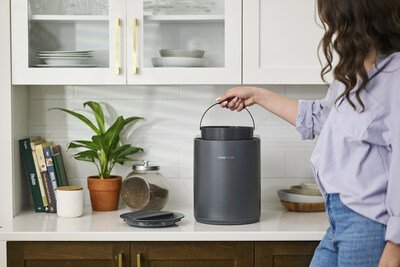
Food Cycle Science, the company behind the innovative FoodCycler®, has announced the expansion of its successful food waste diversion programs into the United States. Already adopted by more than 200 municipalities in Canada, the initiative provides households, schools, and multi-residential buildings with a modern solution to reduce food waste while meeting sustainability targets.
The Push for Modernization
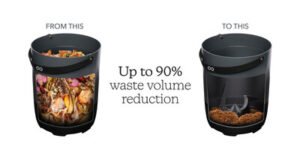
North America is experiencing growing regulatory pressure to reduce food waste. New York City recently mandated curbside organics collection, while Ontario has limited household garbage disposal. Yet many families lack practical, day-to-day solutions. FoodCycler bridges this gap with a compact, countertop appliance that reduces food waste volume by up to 90%, transforming scraps into an odorless, nutrient-rich by-product.
Operational Details of the Program
FoodCycler’s proven program model subsidizes units for households and organizations, driving measurable landfill diversion and GHG reductions. In the U.S., partnerships with municipalities, counties, and haulers—including Casella Waste Systems in the Northeast and Waste Connections in Texas—are already underway. Beyond homes, the program extends to schools and multi-residential buildings, delivering cost savings, operational efficiencies, and ESG benefits.

Economic and Environmental Impact
To date, FoodCycler has sold over 300,000 units globally, diverting more than 70,000 tons of food waste from landfills. With nearly 40% of U.S. food waste originating in households, the expansion addresses a critical opportunity to reduce waste management costs, cut emissions, and improve sustainability outcomes for communities.
Strategic Significance
“Our programs show that when you combine technology with accessibility, people change their habits overnight,” said Bradley Crepeau, CEO of Food Cycle Science. Waste Connections added that the partnership allows municipalities to adopt “cutting-edge, cost-effective solutions to pressing environmental challenges.” The initiative underscores the urgency of modernizing waste habits for long-term impact.

 Share your work with UNI Network Magazine. Upload your PDF below.