


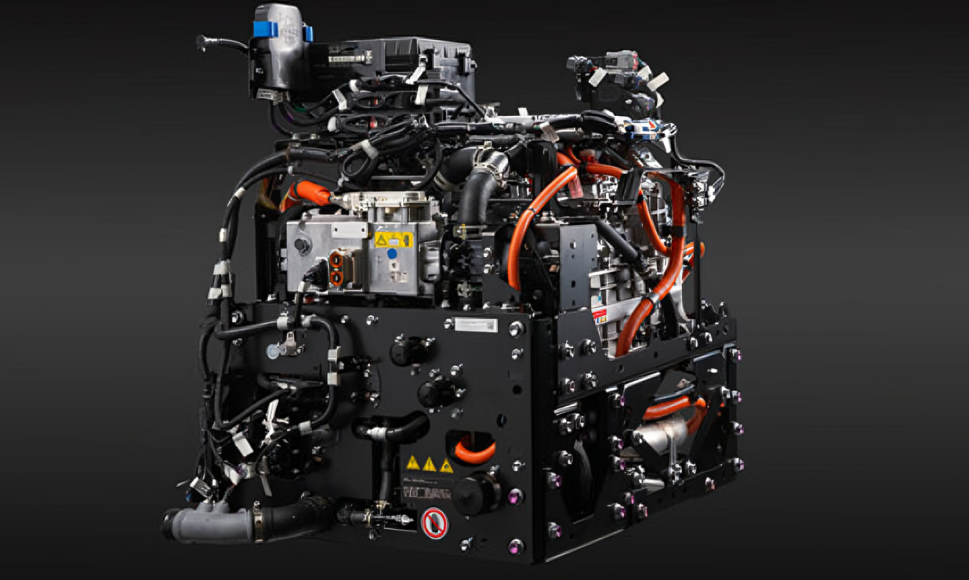
Toyota Motor North America has announced a major advancement in its hydrogen energy strategy, as its stationary fuel cell systems achieve crucial safety certifications. This development strengthens the company’s push toward sustainable, zero-emission power solutions and supports the broader commercialization of hydrogen-based energy infrastructure in North America.
Advancing Hydrogen as a Scalable Energy Solution
Through its hydrogen division, Toyota Hydrogen Headquarters (H2HQ), Toyota has been actively expanding the use of fuel cell technology beyond vehicles. With increasing pressure on energy grids and the need for cleaner alternatives, hydrogen fuel cells are emerging as a viable solution for stationary power generation.
These systems generate electricity through an electrochemical reaction between hydrogen and oxygen, emitting only water vapor. This makes them significantly more environmentally friendly compared to traditional internal combustion generators.
Operational Details: Certification and Technology Validation
Toyota’s fuel cell units have now earned ANSI/CSA FC 1 and ANSI/CSA FC 6 certifications, meeting stringent safety and compliance standards set by American National Standards Institute and CSA Group.
These certifications play a critical role in reducing barriers to adoption by assuring customers of the reliability, safety, and regulatory compliance of hydrogen-based systems. According to company leadership, this milestone enables businesses to confidently invest in cleaner energy infrastructure.

Economic Impact: Supporting Grid Stability and Infrastructure Efficiency
Stationary fuel cell generators offer multiple economic and operational advantages. They can support peak shaving, reducing strain on overburdened electrical grids, and serve as reliable backup power sources for critical infrastructure such as hospitals.
Additionally, these systems can operate continuously as long as hydrogen fuel is available, providing uninterrupted power in remote locations or disaster response scenarios. Their lower noise levels and zero carbon emissions at the point of use also make them more adaptable in urban and sensitive environments.
Strategic Significance: Partnerships and Industry Expansion
Toyota’s hydrogen push is further reinforced through its collaboration with Rehlko (formerly Kohler Energy), aimed at developing 1 MW stationary power generators. This partnership combines Toyota’s fuel cell expertise with Rehlko’s energy resilience capabilities.
The company will showcase its certified fuel cell-powered generator at the upcoming Advanced Clean Transportation Expo 2026, highlighting its readiness for large-scale deployment across industries such as logistics, manufacturing, and utilities.
Conclusion: Driving the Transition to Zero-Emission Energy
With decades of researchand development behind it, Toyota is positioning hydrogen fuel cells as a cornerstone of next-generation energy systems. These new certifications mark a significant step toward mainstream adoption, reinforcing the role of hydrogen in enabling energy independence, sustainability, and resilient infrastructure.


 Share your Details for subscribe