



At MODEX 2026, where innovation across supply chains takes center stage, one critical aspect often goes under-discussed: the end-of-life management of automation and logistics equipment. As businesses rapidly upgrade systems driven by robotics and AI advancements, responsible recycling and asset recovery have become essential components of operational strategy.
Rising Automation and Equipment Obsolescence
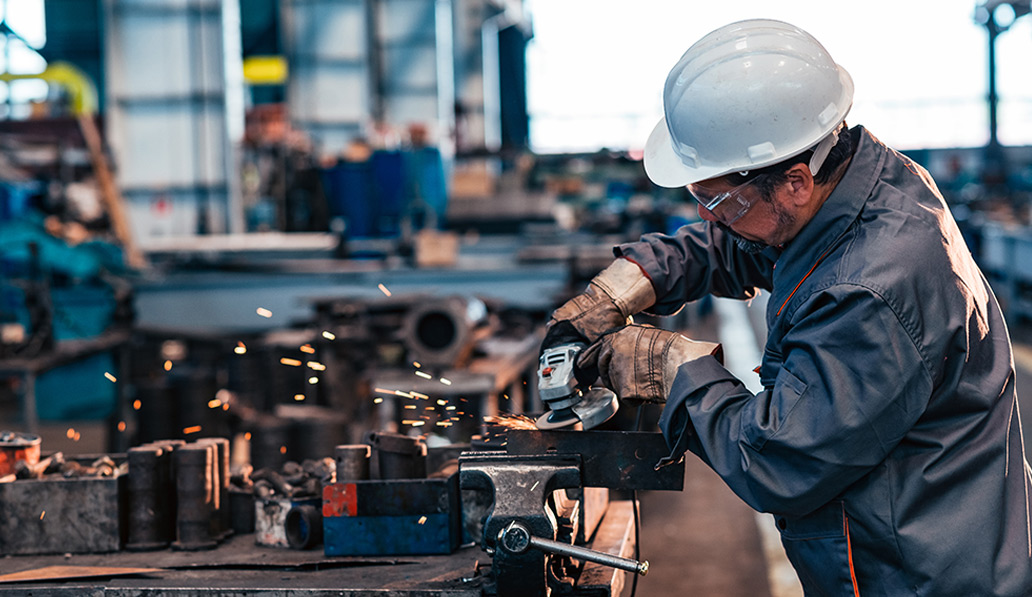
With accelerated adoption of automation across manufacturing, retail, e-commerce, and third-party logistics, equipment lifecycles are shrinking. Robotics, AI-powered systems, and advanced material handling solutions are rendering legacy infrastructure obsolete faster than ever.
While organizations focus on procurement and deployment of new technologies, they must also address the financial and environmental implications of retiring outdated systems. This includes dismantling, transportation, and compliant disposal – all of which add to the overall cost of modernization.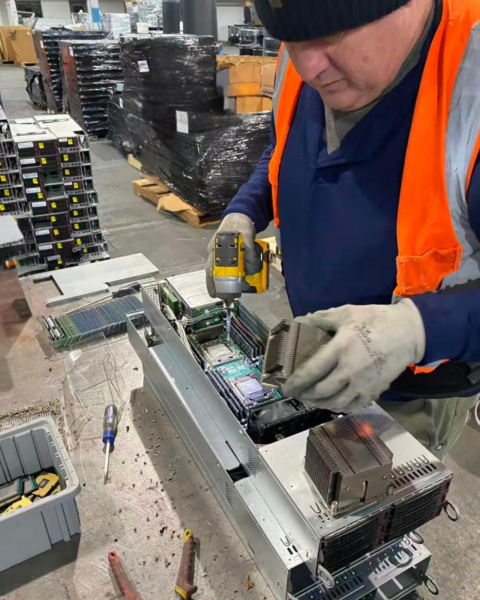
Operational Requirements: What to Look for in a Recycling Partner
According to Les Bury, the distinction is clear: “The difference between a vendor and a true recycling partner is simple: one removes equipment; the other helps you maximize the value still inside it.”
An effective recycling partner should offer:
- Comprehensive Recycling Services: Including industrial equipment such as robotics, conveyors, forklifts, and warehouse automation systems.
- Secure IT Asset Disposition (ITAD): Certified data destruction for servers, networking systems, and proprietary technologies.
- Regulatory Compliance: ISO-certified processes with audit-ready documentation to ensure brand protection.
- Battery Recycling Expertise: Safe and compliant handling of lithium-ion and lead-acid batteries.
- Integrated Network Capabilities: Acting as a single point of contact across multiple locations to avoid fragmented vendor management.
- Nationwide Logistics Support: Efficient pickup, transportation, and processing across geographically distributed operations.
Economic Impact: Recovering Value from Retired Assets
Beyond compliance and sustainability, recycling plays a direct role in financial optimization. A strong partner can extract value from:
- Ferrous and nonferrous metals
- Electronic components
- Reusable industrial equipment
This enables organizations to offset the cost of new automation investments while reducing waste and improving sustainability metrics. Proper asset recovery transforms decommissioning from a cost center into a value-generating process.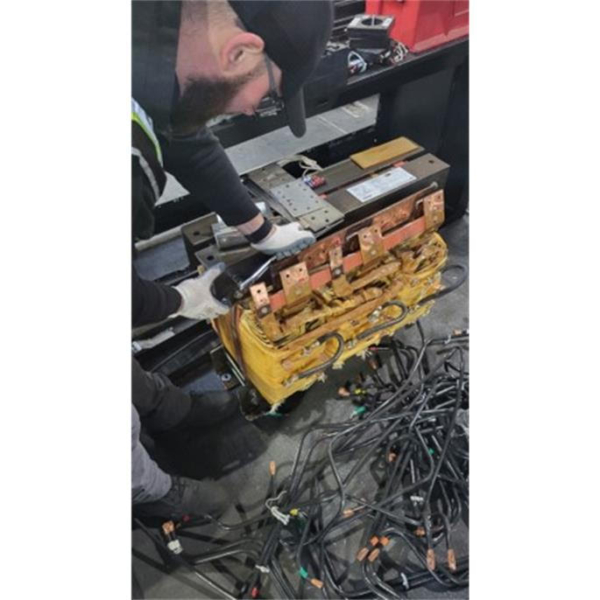
Strategic Significance: Enabling Sustainable Modernization
Selecting the right recycling partner is not just an operational decision – it is a strategic one. Efficient end-of-life management accelerates the transition to next-generation systems while ensuring environmental responsibility and regulatory adherence.
Organizations that integrate recycling into their modernization strategy benefit from faster upgrades, improved cost recovery, and enhanced ESG performance.

 Share your Details for subscribe