


Toyota Automated Logistics’ Automation Strategy: Integration, Innovation, and the Future of Warehousing
James Osborn FCILT on Automation, Integration, and the Future of Warehousing
June 12, 2026
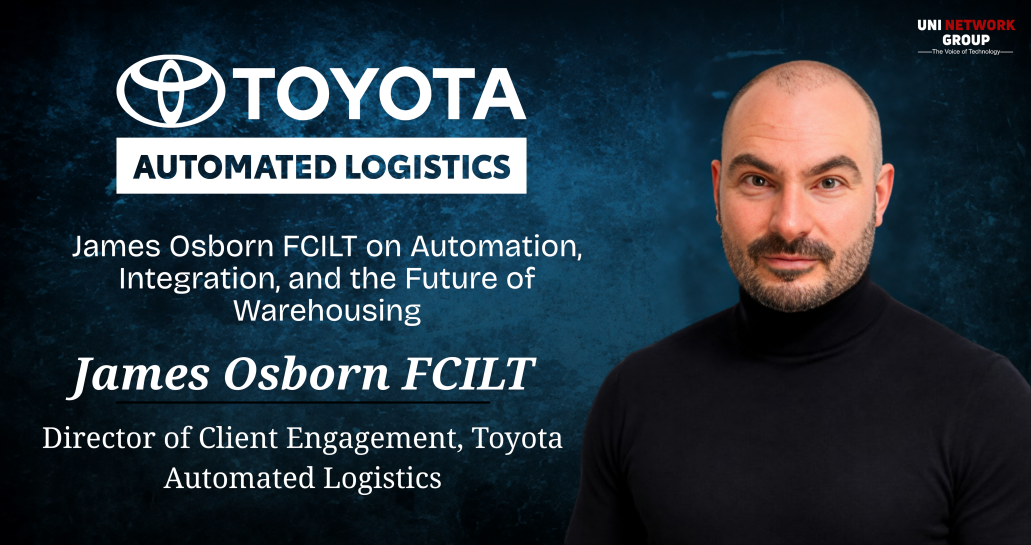
An Exclusive Interview with James Osborn - Director of Client Engagement | Business Development, Marketing & Customer Insights, Toyota Automated Logistics, EMEA & APAC
KEY TAKEAWAYS
- Toyota Automated Logistics (TAL) showcased unified automation capabilities by integrating Bastian Solutions, viastore, and Vanderlande’s Warehousing business into one global warehouse solutions brand.
- Advanced technologies like Adapto Shuttle and STOREPICK will transform North American grocery and retail distribution through faster, smarter automation systems.
- TAL highlighted automation’s role in solving labor shortages, improving warehouse density, reducing operational costs, and enabling scalable business growth efficiently.
- Future logistics professionals need engineering, software, and mechatronics knowledge alongside curiosity, collaboration, and customer-focused problem-solving capabilities.
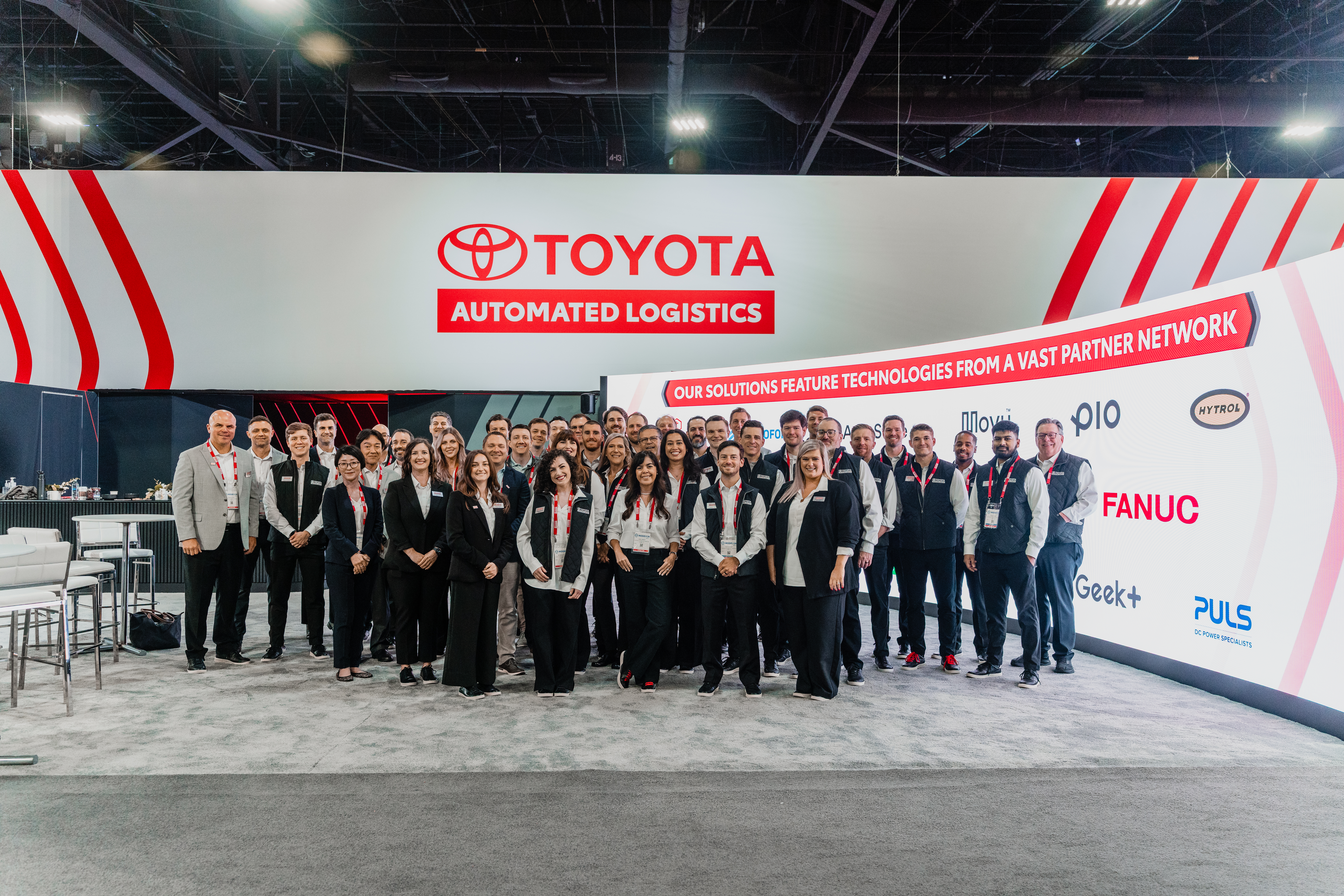
At MODEX 2026, UNI Network Group had the opportunity to speak with James Osborn, FCILT about Toyota Automated Logistics’ expanding automation vision, the integration of global technologies, warehouse challenges, labor shortages, and the future logistics workforce.
Q1. Welcome to MODEX 2026, James. How has the show been for Toyota Automated Logistics this year?
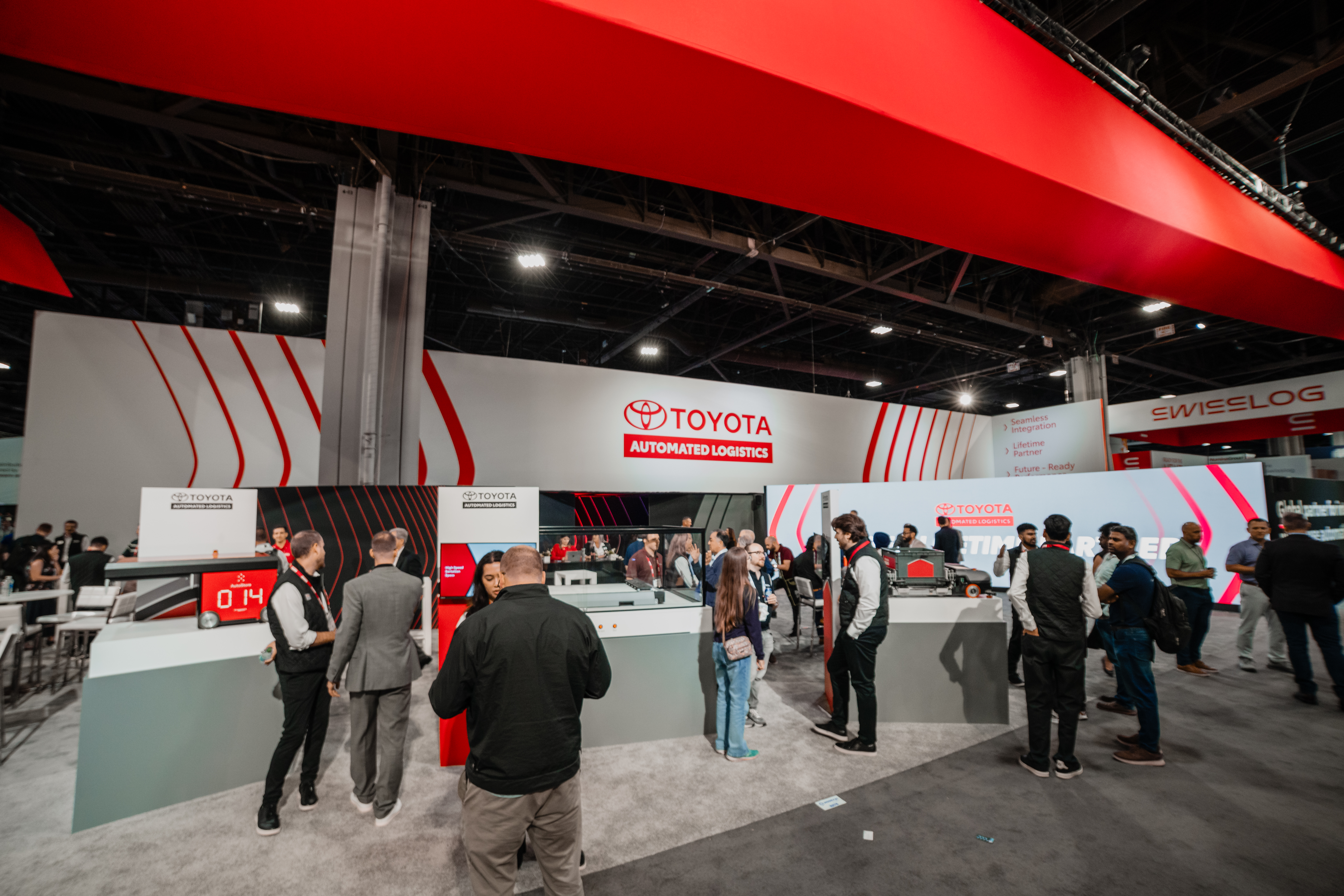
Ans. The show has been fantastic for us. This is the first time Toyota Automated Logistics has brought together multiple automation brands under one unified presence. What visitors are seeing here is the combined strength of Bastian Solutions from the U.S., viastore from Germany, and Vanderlande’s Warehousing business from the Netherlands - all presented together as one company. That’s a major milestone for us.
Q2. What is Toyota Automated Logistics’ vision for the next three to five years in automation and supply chain solutions?
Ans.This year is really about bringing the businesses together. By this time next year, we expect the integration process to be completed, allowing us to offer fully integrated end-to-end automation solutions globally. In the Americas, we’re introducing advanced European technologies to the market.
One example is Vanderlande’s high-speed conveyor systems and the ADAPTO shuttle system, which is unique because it can move between aisles - something not commonly available in the U.S. market today. We’re also bringing “STOREPICK,” a fully automated case-picking solution that has already seen strong success in Europe. We believe these technologies will significantly transform grocery and retail distribution operations across North America.
Q3. What are the biggest challenges Toyota Automated Logistics is currently focusing on?
Ans. The biggest challenge is integration. When you combine multiple technologies, software systems, and automation platforms from different regions, ensuring they work seamlessly together becomes critical.
What differentiates us is our ability to integrate local warehouse control systems (WCS) and warehouse management systems (WMS) while still leveraging global software capabilities. Software and automation technologies are evolving extremely fast, so staying agile while maintaining reliability is our top priority.
Q4. Labor shortages continue to be a major challenge in warehousing. How is Toyota Automated Logistics helping customers address this issue?
Ans.Labor shortages are definitely one of the key drivers behind automation investments, but they’re not the only factor. For many companies, automation is driven by growth. Businesses are expanding and need more efficient facilities. Automation allows operations to become much denser - often reducing space requirements by around 60% compared to manual environments.
That means companies can lower rental costs, optimize facility footprints, and improve total cost of ownership. It’s not only about reducing labor hours; it’s also about helping customers cope with the difficulty of finding skilled labor in their local markets.
Q5. As the industry evolves, upskilling becomes very important. What steps is Toyota Automated Logistics taking to support education and workforce development?
Ans. The U.S. brings in about 50 interns every summer. They gain hands-on experience within the industry while continuing their education. One of the biggest industry challenges today is that future supply chain leaders need broader technical skills than before. Traditionally, logistics managers may not have had engineering or systems backgrounds, but the future requires stronger understanding of mechatronics, software, and electrical engineering. We’re working with educational institutions and industry bodies to help shape logistics education programs so future professionals are better prepared for automation-driven environments.Q6.Are there specific universities or partnerships Toyota Automated Logistics is working with?
Ans. We don’t align with one specific university. Instead, we collaborate with industry organizations such as logistics and transport institutes to understand what future generations will need in terms of skills and leadership capabilities. The logistics industry overall is becoming far more engineering-focused, and education needs to evolve accordingly.
Q7. For young professionals who want to join Toyota Automated Logistics in the future, what qualities and skills are most important?
Ans. We look for people with the right mindset and personality first. Technical skills are important, but curiosity, energy, patience, and the ability to truly understand customer challenges are equally critical. At TAL, our culture is focused on getting things right. That means taking time to understand the customer, respecting cultural differences, and thinking carefully about solutions. We value people who are inquisitive, collaborative, and respectful in a global business environment.
 Editorial Desk







 Share your Details for subscribe