


Architecting Success: A Leader's Blueprint for Growth, Communication, and Community
Architecting Success: A Leader's Blueprint for Growth, Communication, and Community
August 27, 2025

An insightful on leveraging diverse experience, the power of alumni networks, and navigating the future of work
KEY TAKEAWAYS
- Effective communication and trust are the bedrock of leadership and collaboration.
- Future of work demands continuous reskilling, digital literacy, and robust cybersecurity.
- Alumni networks thrive on trust, bridging industry, academia, and global innovation.
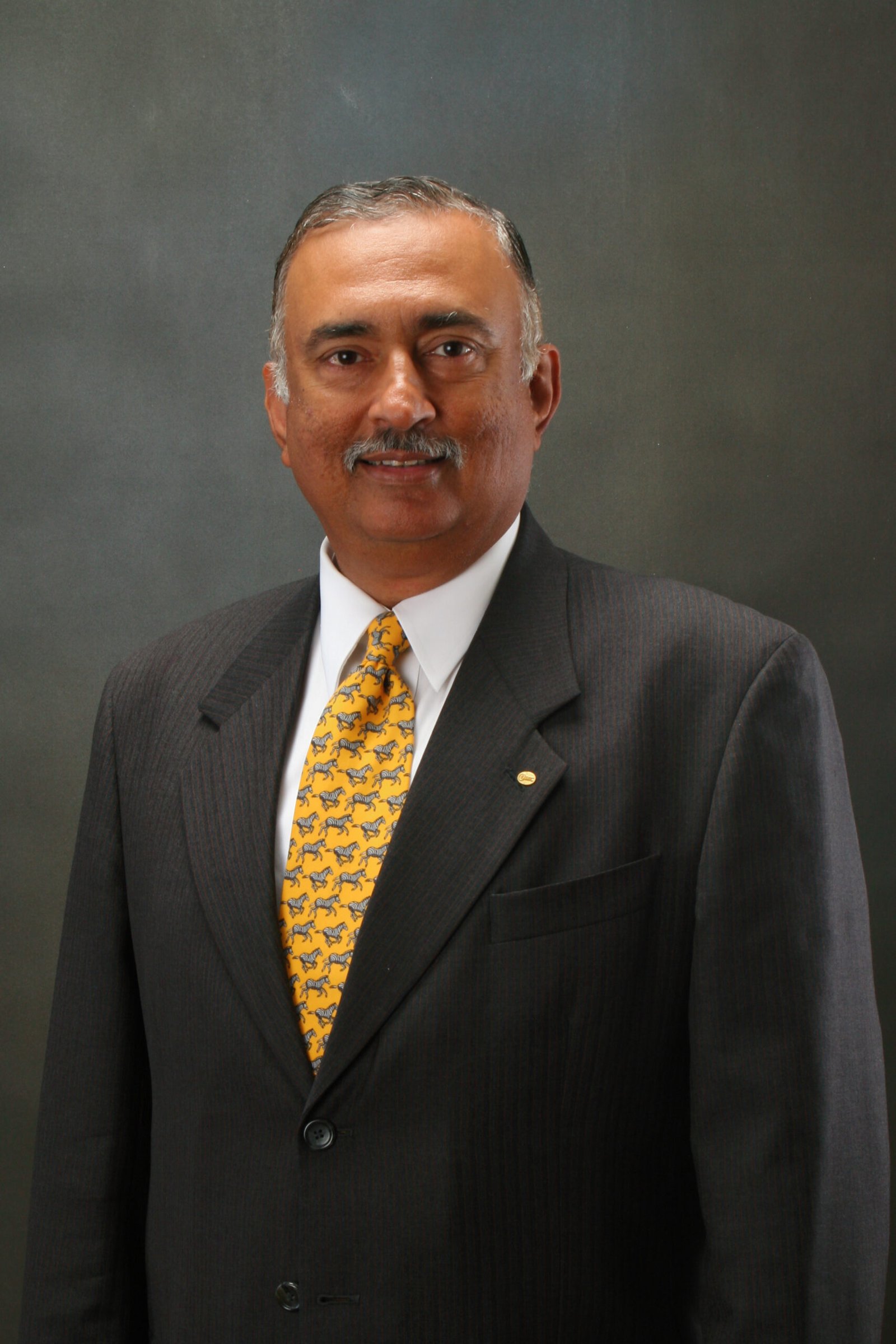
At the crossroads of innovation, leadership, and transformation, stands Debashish Bhattacharyya — Former Chairman of Pan IIT Alumni India. A visionary leader with an unwavering commitment to progress, he has become a driving force in uniting industry, academia, and government on a common platform. Through his leadership, he not only fosters dialogue but also champions bold initiatives that are redefining reskilling and preparing a future-ready workforce. With his ability to anticipate change and mobilize collaboration, Mr. Bhattacharyya continues to inspire fresh thinking.
Bringing people together creates paths, paths break boundaries, and boundaries result in meaningful conversations which lead to meaningful initiatives, which finally create an impact
Communication The Foundation of a Holistic Perspective
His diverse career in manufacturing and consulting provided him with a unique, holistic perspective on organizational dynamics. He explained that interacting with all business functions was invaluable, shaping his leadership principle that an organization must nurture every department to succeed. This balanced focus is essential not just for shareholder value but for fulfilling commitments to the company’s people and its core mission. This cross-functional understanding has been a cornerstone of his approach to driving sustainable growth.

Communication as the Cornerstone of Success
The interviewee identifies effective communication as a critical factor for success. Its primary function is to align the entire organization with its strategic objectives and to clarify each individual's role. He emphasized that clear communication is vital for proactively solving problems and mitigating risks. He asserted that a breakdown in communication inevitably erodes trust, which he considers the bedrock of teamwork and lack of trust is the primary reason for the failure of major initiatives.
Communicating, interacting, and networking is one thing that I would suggest. Try and get involved in as many of these opportunities that one has to become a professional—organizing events is one of them.
Aligning Internal and External Strategy
To succeed in the tech ecosystem, he posits that corporate communication and HR strategies must be perfectly synchronized. This requires a dual focus: consistent internal team meetings to ensure cultural cohesion and strategic alignment, and robust external outreach to build brand perception. He believes this balanced approach ensures that the company’s internal culture and external reputation are mutually reinforcing, which is crucial for attracting and retaining top-tier talent in a competitive market.
Education and Merit as Pillars of Inclusion
He argues that genuine inclusion is built upon the twin pillars of education and merit. This approach begins with ensuring universal access to quality education to provide everyone with employable skills. While acknowledging tools for equity, he firmly stated that competence and skill must never be compromised in selection processes. He believes true empowerment comes not from reservation alone, but from equipping individuals with the necessary skills to compete and succeed on merit.
A Career in Strategic Leadership and Technological Innovation
With a career spanning over four decades, this individual progressed from foundational engineering roles at BHEL and Escorts to a 16-year tenure at Siemens leading its SAP practice and various change management projects. He subsequently transitioned to entrepreneurship, co-founding Erudio Consulting Services and served as Chairman of PanIIT Alumni India. Currently, he leverages this extensive experience as a Director at Vriksh Consulting and an Advisory Council Member for the UNI NETWORK GROUP.

The Power of Trust in Alumni Networks
He believes the core strength of alumni networks is the inherent trust born from a shared bond. This trust is a powerful catalyst, enabling leaders to build effective teams, empower members, and access key decision-makers. He described the network as more than a professional resource; it is a safe and supportive community. This foundation of trust allows for efficient collaboration on high-impact objectives and provides a sense of a larger, extended family.
The key word you used is bridge, and a bridge implies more than just connection. It requires us to look beyond our boundaries, step into someone else’s shoes, and view situations from their perspective. Unfortunately, today we often operate in silos, content to criticize those who don’t understand our domain. This mindset doesn’t build bridges; it burns them.
Bridging the Industry-Academia-Global Gap
He described Pan IIT as a vital bridge connecting industry, academia, and global markets. A key function is fostering collaborations that make academic curricula more relevant while providing industries with valuable research and talent. This synergy directly benefits students with hands-on experience and improves their employability. Furthermore, he highlighted that the global alumni network is instrumental in connecting Indian startups and innovators to international markets, helping local ideas achieve a global scale.
Looking ahead, he believes the future of work will be defined by technology, making digital literacy a non-negotiable skill. As automation absorbs routine tasks, he asserts that continuous upskilling and reskilling are imperative for professional relevance. This shift requires our education system to evolve to better support educators. In this new paradigm, he concluded that robust cybersecurity will become the most critical enabler, protecting the digital foundation of all future businesses.
Navigating the Future of Work
The key word you used is bridge, and a bridge implies more than just connection. It requires us to look beyond our boundaries, step into someone else’s shoes, and view situations from their perspective. Unfortunately, today we often operate in silos, content to criticize those who don’t understand our domain. This mindset doesn’t build bridges; it burns them.
My success was possible because of a talented, dedicated team working towards a common vision. Achieving goals as a collective is far more powerful than acting alone
Disclaimer : The views and opinions expressed are the interviewee’s personal views and opinions
 Editorial Desk




 Share your Details for subscribe