


The Visionary Foundation (1950s–1960s)
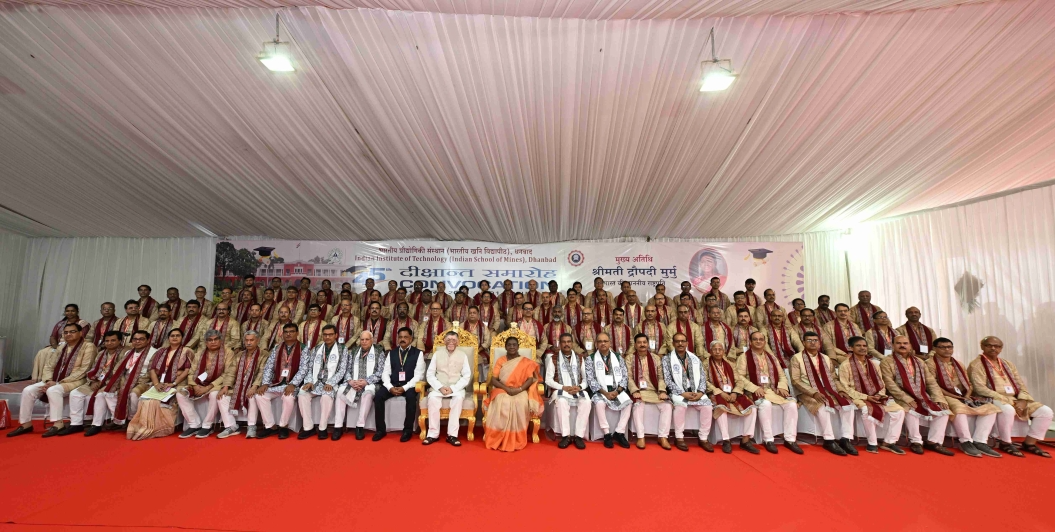
The journey of the Indian Institutes of Technology (IITs) began with Jawaharlal Nehru’s vision of creating the “temples of modern India.” The first IIT was established in Kharagpur in 1951, followed by campuses in Bombay, Madras, Kanpur, and Delhi. Modeled on global standards, these institutions laid a strong foundation for technical education, innovation, and nation-building, setting India on a path toward self-reliance in science and technology.
Expansion Across India (1970s–1980s)
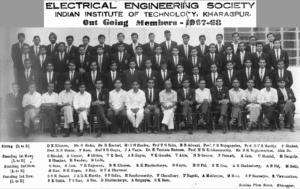
The following decades witnessed a gradual expansion beyond the initial metropolitan hubs. IIT Guwahati was conceptualized, while older campuses strengthened their academic and research ecosystems. These years emphasized faculty development, research excellence, and technology-driven growth, ensuring IITs became trusted institutions producing engineers with both national commitment and global competence.
Consolidation & Global Recognition (1990s)
By the 1990s, IIT alumni had gained worldwide recognition, excelling in Silicon Valley, global corporations, and leading universities. Industry partnerships flourished, research output increased, and IITs rose in international rankings. This phase cemented their reputation as premier engineering hubs—renowned not only for academic rigor but also for producing leaders, entrepreneurs, and change-makers.

Major Expansion Wave (2000s)
The 2000s marked a major expansion of the IIT ecosystem to meet the growing demand for quality technical education. IIT Roorkee was upgraded in 2001, followed by new campuses in Bhubaneswar, Gandhinagar, Hyderabad, Jodhpur, Patna, Ropar, and Mandi. This expansion democratized access, distributed opportunities across states, and strengthened India’s talent pipeline for global industries and innovation-driven growth.
Modernization & Inclusivity (2010s)
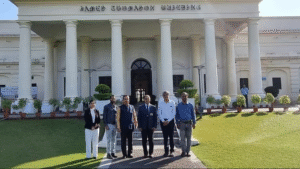
The 2010s ushered in modernization, interdisciplinarity, and inclusivity. IITs embraced international collaborations, digital learning, entrepreneurship cells, and startup ecosystems. Increased diversity, higher participation of women, and global faculty exchanges transformed IITs from traditional engineering schools into innovation-driven global institutions committed to shaping a more inclusive future.
The New Frontier (2015–Present)
India’s latest IITs—Palakkad (2015), Bhilai, Goa, Jammu, and Dharwad (2016)—reflect the nation’s mission to spread excellence across new regions. Today, IITs are recognized as global powerhouses, with alumni influencing industries, academia, governance, and technology worldwide. With pioneering research in artificial intelligence, sustainability, and deep-tech, IITs continue to stand as symbols of innovation, nation-building, and global impact.


 Share your work with UNI Network Magazine. Upload your PDF below.