

From India to the World: Engineering the Future of Intelligent Automation
Building a Global Robotics Powerhouse from India to Global Level
February 04, 2026

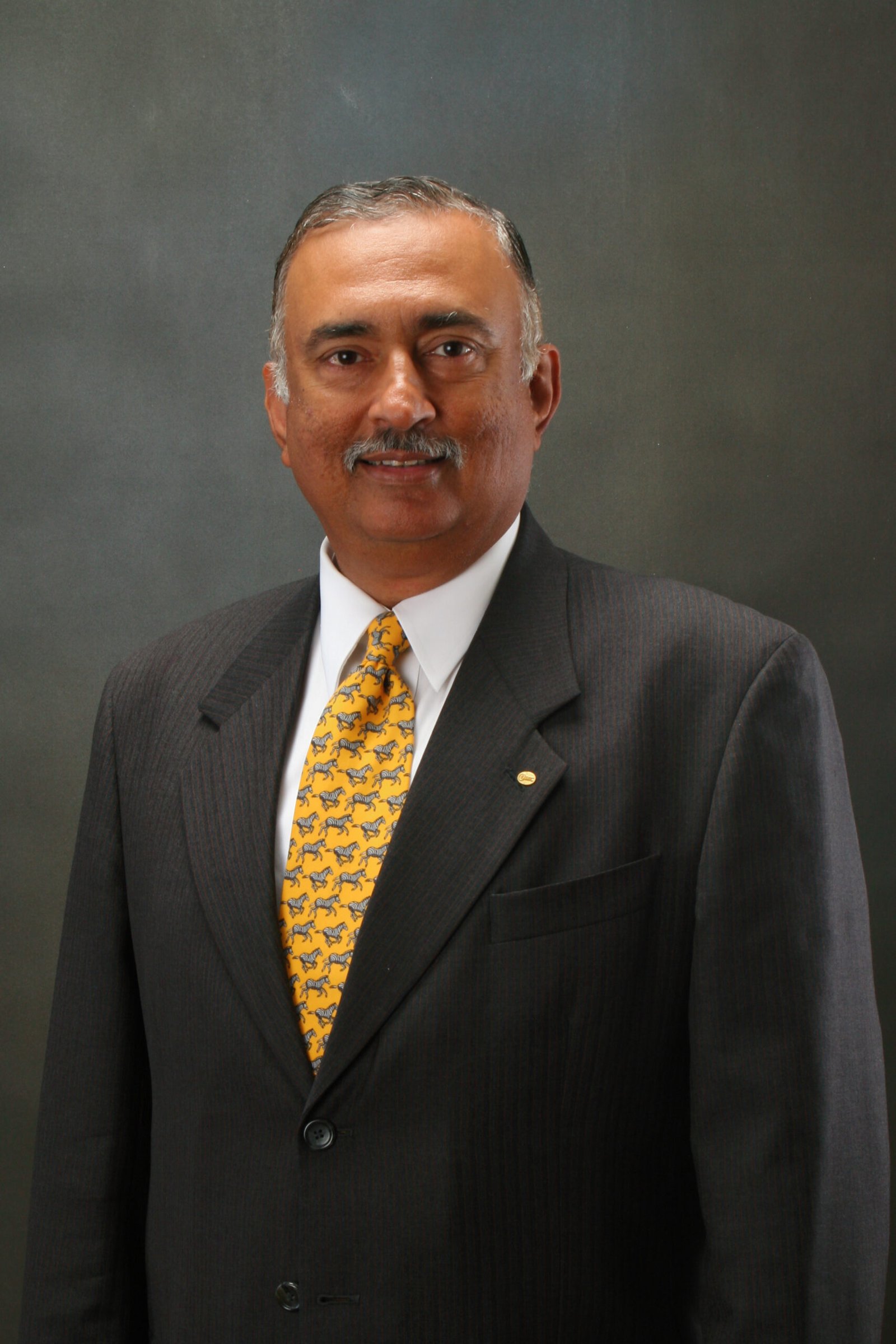
In an exclusive UNI Network Group interview, Sriram Sridhar, CEO – Addverb Americas
KEY TAKEAWAYS
- Addverb’s global expansion highlights India’s growing strength in competitive robotics innovation
- The United States remains critical for automation scale, innovation, and market leadership.
- Affordable robotics and human-machine collaboration are transforming global warehouse operations.
- Empowering young talent and embracing failure will define future automation leaders.
In this exclusive UNI Network Group conversation, Mr. Sriram Sridhar of Addverb shares a compelling India-to-global perspective on how affordable robotics, human-machine collaboration, and vertical integration are redefining warehouse and factory automation worldwide. From navigating the challenges of building an Indian robotics brand in mature Western markets to explaining why humanoids represent the convergence of four robotic form factors, this discussion reveals why empowering young talent and embracing failure - not just deploying technology - will determine who leads in the next era of intelligent automation.
Q1. You’ve led Addverb’s journey from India to Singapore and now the United States. Could you walk us through your professional journey - how it began, where you are today, and the vision that drives you forward?
Ans. Thank you for having me - it’s a pleasure to be here.
My journey with Addverb began in 2020, when I joined to lead its international business growth. I was the first employee outside India, and since then, I’ve witnessed the company grow from about 200 people to nearly 1,000 globally. Today, Addverb has a strong footprint across Asia, Europe, Australia, and the United States.
I’m an engineer by training, and automation has been a constant thread throughout my career. I’ve worked as a design engineer, handled large-scale project management, and over the years transitioned into customer-facing roles - consulting and business development. My role often involves stepping inside warehouses and factories, understanding real operational challenges, and helping customers identify where technology can deliver meaningful returns on investment.
Having lived and worked across multiple geographies - India, Southeast Asia, Europe, and now the US - has given me a deep appreciation for different cultures, ecosystems, and supply-chain realities. That global exposure has shaped not just how I work, but how I think about building scalable, future-ready automation solutions.

Q2. You’ve experienced the Indian, Singaporean, and US markets firsthand. What made the United States a strategic priority for Addverb?
Ans. From the very beginning, my mandate was clear: build Addverb into a truly global robotics brand.
When you look at warehouse and factory automation, the US and China represent the two largest markets globally in terms of investment and adoption. While China has a very unique and closed ecosystem, the US offered immense opportunity - both in scale and innovation.
In Western markets like the US, Europe, and Australia, automation is no longer a luxury; it’s becoming a necessity. Rising labor costs, workforce shortages, and the need for operational resilience are accelerating adoption. We always knew that while emerging markets would contribute to growth, the bulk of innovation and scale would come from mature markets like the US.
For an Indian robotics company, this journey hasn’t been easy. There’s no predefined path like there is for German or Japanese robotics firms. But that challenge has also been exciting. India brings strengths - strong engineering talent, adaptability, and a willingness to take risks. That mindset has helped us carve our own global path.
Q3.As a global manufacturer and automation provider, what are the top three challenges Addverb faces today?
Ans. Addverb operates with a very unique positioning - we are a manufacturer, system integrator, software provider, and consultant all rolled into one. That means we take full ownership of outcomes, which also brings responsibility.
The first major challenge is adoption. Robotics and automation are still in a relatively early stage globally. Many organizations are cautious because there are more stories of failure than success in the market. Building confidence through real, scalable success stories is critical.
The second challenge is change management. Introducing automation fundamentally alters how a warehouse or factory operates. Just like household technology changes daily routines, industrial automation reshapes workflows, roles, and decision-making. Helping customers navigate that transition is often harder than deploying the technology itself.
The third challenge is cost. Automation is still perceived as expensive. At Addverb, we’ve focused heavily on affordable automation by building everything in-house. Vertical integration allows us to reduce costs while maintaining performance and reliability.
Q4. Talent and skill gaps are a growing concern globally. How does Addverb approach hiring and upskilling, especially in such a specialized industry?
Ans. Upskilling is absolutely critical in today’s world.
At Addverb, we strongly believe in betting on young talent. In fact, I’m among the younger CXOs in the organization, which reflects our culture. Every year, we hire 50–60 fresh engineering graduates from top institutions in India and put them into challenging, real-world roles early on.
Many of our strongest leaders today started with us straight out of college. Over time, we’ve also brought Indian talent into our US operations, creating a strong global knowledge bridge.
In parallel, we hire locally in the US for system integration, project engineering, and customer success - roles that demand close collaboration and market understanding.
At the core of this is our belief in human–robot collaboration. Robots don’t replace humans; they exist because of humans. Technology only succeeds when people are empowered to guide, program, and evolve it.
Q5. Is Addverb building Centers of Excellence or structured programs to bridge academia and industry?
Ans. Yes, absolutely.
Academia partnerships have been foundational to Addverb from day one. We work closely with universities in India, the US, and Europe - hiring fresh graduates, management trainees, and interns who often convert into full-time roles.
We’ve also established internal Centers of Excellence, particularly in solution design and robotics, where senior leaders mentor teams and incubate future-focused ideas. Beyond commercial projects, we actively invest time in solving tomorrow’s problems.
We’ve collaborated with institutions like Purdue University in the US and IITs in India, providing access to our technologies and engaging directly with professors and research teams.
We’re also beginning to work with defense organizations, expanding robotics applications beyond warehouses and factories.

Q6. Robots often raise concerns about job displacement. How do you address this mindset challenge?
Ans. This concern isn’t new. Similar fears existed during the computer revolution - and yet, here we are today.
Our philosophy is simple: robots handle the three Ds - dull, dirty, and dangerous work. The goal isn’t to replace humans, but to elevate human roles. Automation allows people to focus on higher-value, creative, and decision-driven tasks.
At Addverb, return on investment isn’t about job reduction - it’s about job enhancement. That’s how forward-thinking CEOs view automation today.
Q7. What defines Addverb’s product ecosystem, and where do you see future growth?
Our core strength lies in warehouse and factory automation, but we’re expanding into medical robotics, airports, and advanced robotics.
We operate across four robotic form factors:
1. Wheeled robots – our primary revenue driver
2. Legged robots – including quadrupeds for rough terrain
3. Robotic arms – for collaborative applications
4. Humanoids – the convergence of all three
We’re among the very few companies globally developing all four. Humanoids are not standalone products - they’re part of a larger ecosystem where humans, robots, and intelligent software work together seamlessly.
Q8. How does Addverb maintain consistent quality across global markets while addressing regional needs?
Ans. Quality is non-negotiable and never region-specific. What changes across markets are features, not standards.
Our products are modular. Western markets often require fully loaded solutions as necessities, while developing markets prefer flexible configurations to manage cost. Because we build everything in-house - from chassis to software - we can customize without compromising reliability.
Q9. What technologies will define the next phase of automation?
Ans. User experience will be a major differentiator.
The workforce entering factories today has grown up with smartphones and AI. Clunky interfaces won’t work anymore. We’re investing heavily in intuitive human–machine interfaces, AI-driven controls, and conversational systems that simplify interaction between humans and robots.
Automation must evolve with human behavior, not the other way around.
Q10. Finally, what advice would you give to students, professionals, and organizations navigating this technological shift?
Ans.Embrace technology - don’t fear it.
A.Embrace technology - don’t fear it. There will be failures, but those failures are stepping stones to progress. Stay curious, work hard, remain honest, and be passionate about what you do. Technology will change, but these fundamentals never will.
Closing Note – UNI Network Group
- This conversation reflects not just the evolution of robotics, but the rise of Indian-origin global innovation shaping the future of automation. We thank Mr. Sriram Sridhar for sharing his insights and vision.
 Editorial Desk




 Share your Details for subscribe