

Defining Success on Her Own Terms: A Conversation with Suchi
Redefining Success - Suchi’s Journey Through Leadership, Technology & Purpose
May 8, 2026
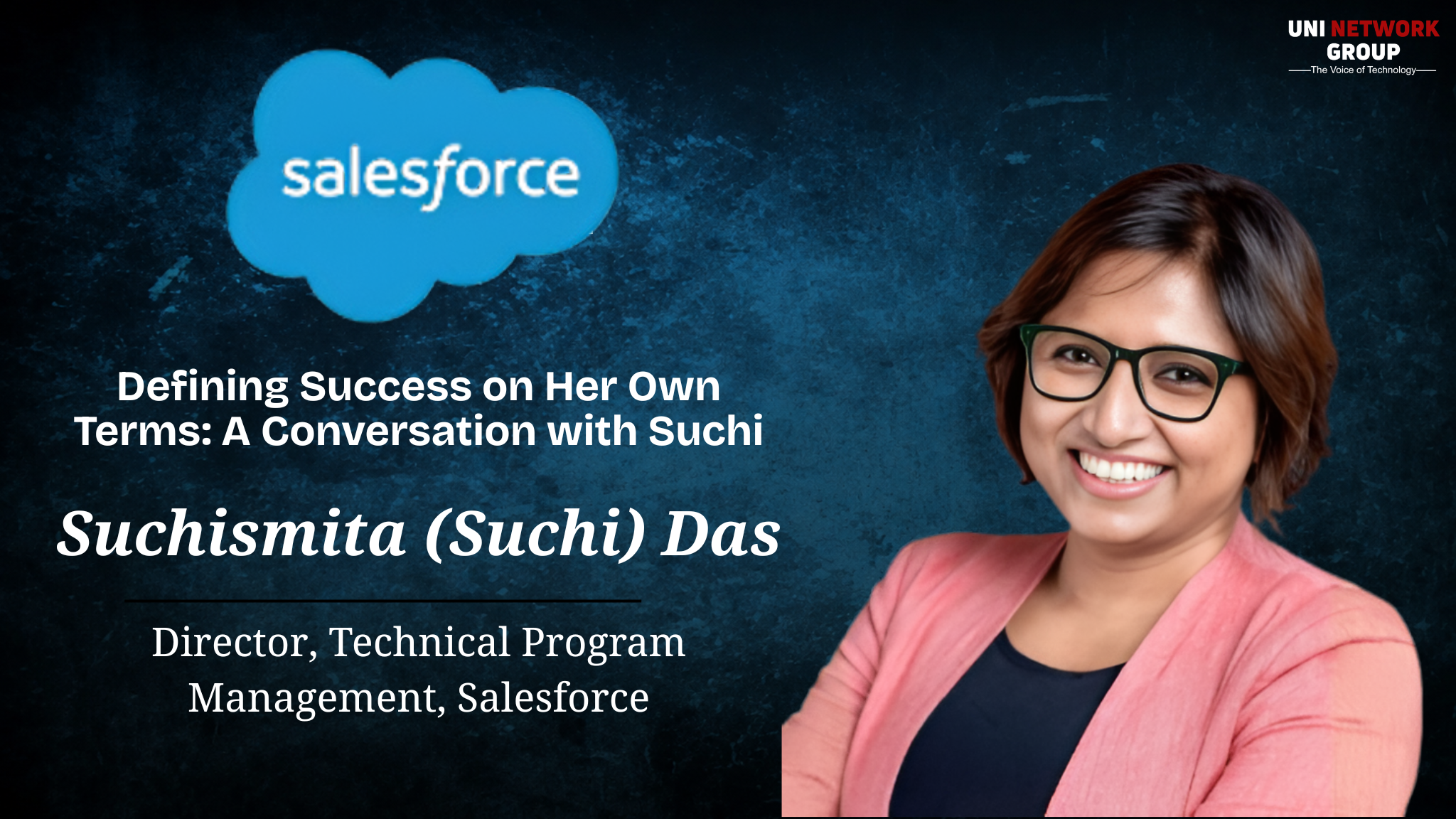
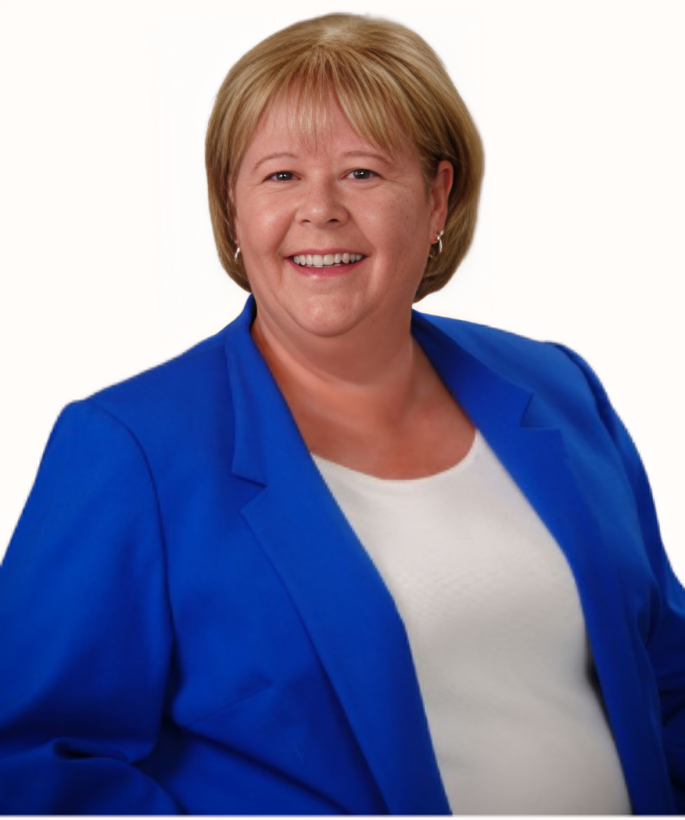
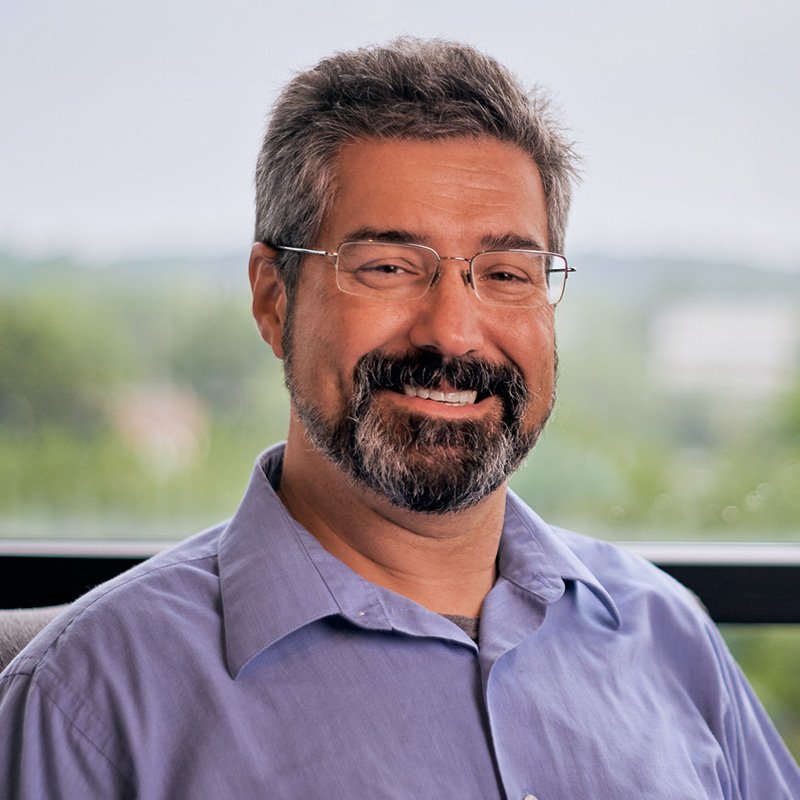
An Exclusive Interview with Suchismita (Suchi) Das , Director, Technical Program Management - Salesforce
KEY TAKEAWAYS
- Success is personal - leadership, expertise, balance, or growth; every professional journey deserves equal respect and recognition in technology industries.
- Adaptability drives growth - embracing change, learning continuously, and navigating ambiguity are essential for thriving in evolving tech environments today.
- Mentorship matters deeply - creating safe spaces, advocating for others, and “sending the elevator back” empowers future technology leaders effectively.
- AI needs context - understanding where to apply technology and automation creates meaningful innovation, impact, and smarter problem-solving across industries.
Q1. Can you walk us through your career journey and key transition moments? ou to pursue a career in this field?
Ans. I started my career in IT services and consulting before transitioning into a product and SaaS-driven environment at Salesforce as a Performance Engineer. Over the years, I had the opportunity to lead several impactful programs.
At one point, I realized that while I genuinely enjoyed the technical depth of performance engineering, my strengths extended beyond technical execution alone. I saw an opportunity to create broader impact by combining my technical expertise with strong collaboration and leadership skills. That realization led me to transition into a Technical Program Manager role, where I could help shape strategy, align cross-functional teams, and drive larger organizational outcomes.
Q2. You’ve been actively involved in empowering women in tech. Can you tell us more about that?
Ans. Alongside my professional journey, I became deeply involved with the Salesforce Women’s Network. My focus has been on enabling women to define success on their own terms.
Too often, success is defined by external expectations. Especially for women - who are still underrepresented in tech - there’s a tendency to measure success through a predefined lens. But success is deeply personal. For some, it’s leadership; for others, it’s depth of expertise or balance. I strongly believe that whether someone chooses to “climb the mountain” or “deep dive” into their craft, both paths are equally valid.

Q3. Tell us about your leadership role within the Women’s Network.
Ans. served on the global board of the Salesforce Women’s Network for six years, as Global Growth Chair. Before that, I led “leaning circles”, inspired by Sheryl Sandberg’s Lean In philosophy-internally known as Salesforce Circles.These initiatives were focused on building safe spaces, mentorship, and community-driven growth. Today, while I’ve stepped down from a formal leadership role, I continue to contribute as a volunteer and advisor.
Q4. Where are you currently in your professional journey?
Ans. I’m currently serving as Director of Technical Program Management, leading major infrastructure and cloud migration initiatives.At the same time, I’m in a phase of transition and elevation-stepping into more complex leadership responsibilities. This involves navigating ambiguity, influencing across teams, and driving impact at a director level.Growth is exciting, but it also comes with friction-alignment gaps, evolving collaboration dynamics, and the pressure to continuously prove yourself.
Q5. How has your role evolved over time?
Ans. I began by building credibility through execution-delivering results and earning trust. Over time, my role expanded into strategy, cross-functional leadership, and storytelling.It’s no longer just about doing the work-it’s about moving people, shaping direction, and operating at scale. My vision now goes beyond titles; it’s about influencing strategy and creating meaningful impact.
Q6. What does success mean to you personally?
Ans. Success, for me, is about building a life that feels joyful, balanced, and intentional-not just successful on paper.
Q7. What inspired you to pursue a career in technology and move to the U.S.?
Ans. My interest in technology started early. I was introduced to computers in elementary school, and I became fascinated by how everything worked - especially what was inside the “black box,” or the CPU.Coming from a family of engineers, I naturally gravitated toward Computer Science Engineering. Over time, that curiosity continued to drive me - not just professionally, but personally as well - as I sought opportunities to experience different cultures and perspectives.
I worked across multiple cities in India, including Chennai and Pune, which exposed me to diverse work environments and ways of thinking. Eventually, my desire to experience the global tech ecosystem led me to the U.S. Working in Silicon Valley, particularly at Salesforce, broadened my perspective immensely - especially around how diversity and inclusion drive stronger innovation and better outcomes.
Q8. What challenges did you face transitioning into a new country and company?
Ans. The transition was intense. Moving from consulting to a product company, while also adapting to a new country and culture, came with a steep learning curve.It wasn’t just about learning new technologies-it was about understanding communication styles, cultural nuances, and how to effectively collaborate.I always focused on retaining my identity while ensuring that my communication resonated with those around me. That balance was key to making an impact.
Q9. What has been the biggest challenge in your tech career?
Ans. The biggest challenge-and opportunity-is adapting to change.The tech industry evolves rapidly-from cloud transformation to AI adoption. Each shift requires you to pivot, learn, and grow continuously.Change isn’t easy, but embracing it has been one of the biggest drivers of my success.
Q10. How do you approach work-life balance?
Ans. I’ve been fortunate to have strong support systems both personally and professionally. At home, responsibilities are shared equally, which allows me to focus on my career without traditional constraints.This has also motivated me to support other women-especially those balancing multiple responsibilities. Whether someone chooses to focus on career growth, family, or both-every path is valid.
Q11. How do you support and mentor others?
Ans. I believe in “sending the elevator back.” That means creating opportunities, offering guidance, and building safe spaces for others to grow.Sometimes, it’s as simple as listening. Other times, it’s advocating for someone or ensuring their voice is heard.
Q12. What advice would you give to young professionals entering the tech industry, especially in the age of AI?
Ans. Many new professionals already understand AI tools-but what’s critical is understanding where to apply them.You may know the “how,” but you need to learn the “where” first. Without that, automation won’t create meaningful impact.Observe, learn existing processes, and then identify opportunities to improve them using AI. When you combine knowledge with context, that’s when real innovation happens.
Q13. Any final thoughts for aspiring professionals, especially women in tech?
Ans. Define success for yourself. Don’t let outside expectations define it for you.Whether you choose growth, balance, depth, or leadership - your journey is valid. Stay curious, stay adaptable, and most importantly, stay true to yourself.
 Editorial Desk


 Share your Details for subscribe