
Redefining Manufacturing Through Digital Intelligence
Why Leadership, Talent, and Technology Must Evolve Together !
January 15, 2026

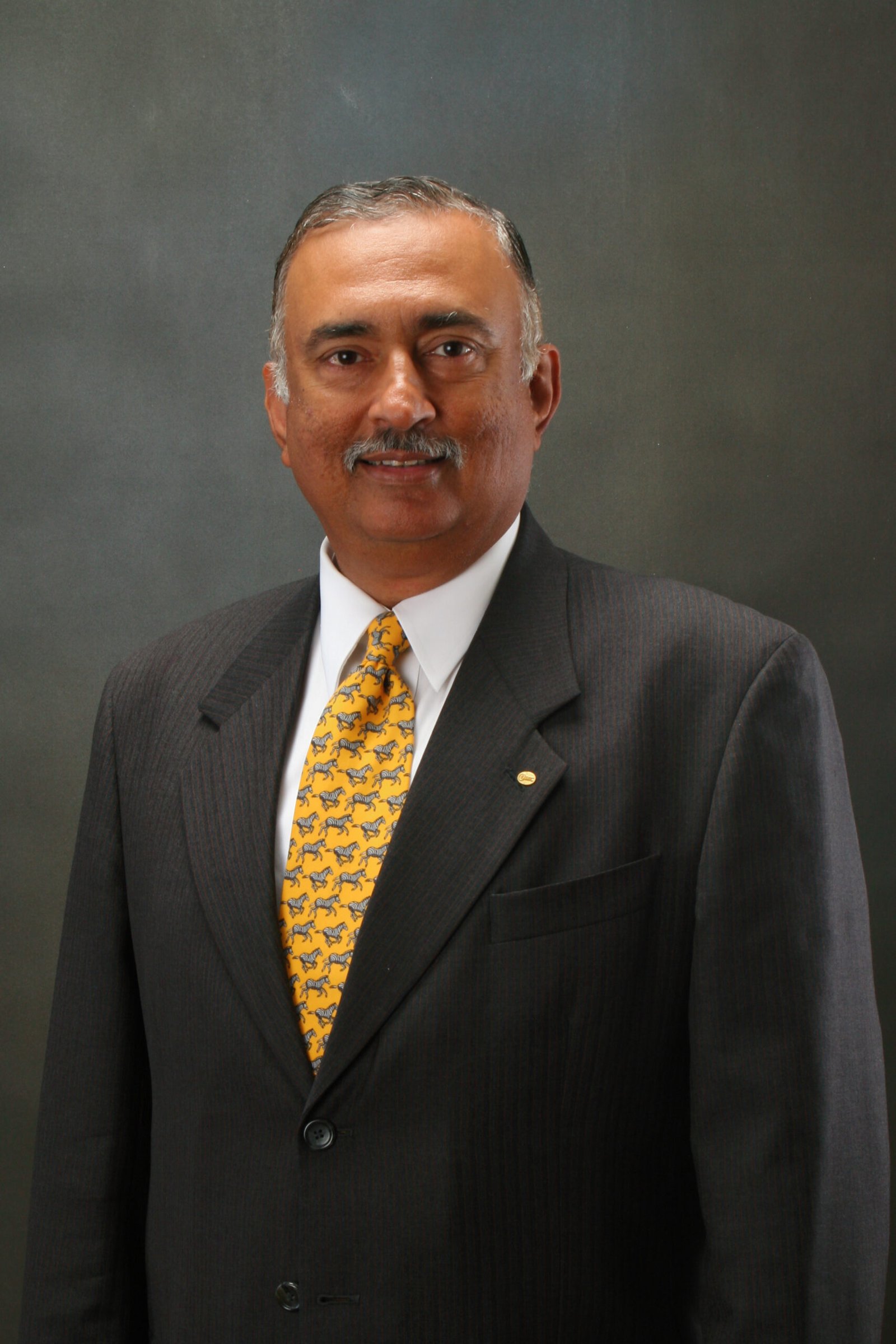
An Exclusive Conversation with Mr. Gisbert, Vice President of Machine Tool | End User | Digital Manufacturing HEIDENHAIN Corp. North America.
KEY TAKEAWAYS
- Discover how manufacturers achieve ROI by ensuring first-part accuracy through closed-loop systems and AI-driven automation.
- Learn why attracting next-gen talent requires rethinking manufacturing as high-tech, high-paying careers - not outdated blue-collar work.
- Understand which emerging technologies - AI tool inspection, predictive maintenance - will dominate machining within three years.
- Explore how leadership mindset and long-term vision matter more than technology alone in winning tomorrow's competitive landscape./li>
For decades, manufacturing has been the backbone of innovation- yet today, it stands at a pivotal crossroads. Cost pressures, talent shortages, and rising digital expectations are reshaping how factories operate and how leaders think. Manufacturing is no longer defined by scale alone - it is defined by intelligence. As global competition intensifies and skilled labor becomes increasingly scarce, manufacturers are being forced to rethink how they operate, invest, and lead.
In this exclusive UNI Network Group conversation, Mr. Gisbert of HEIDENHAIN Corp. shares a rare, shop-floor-to-boardroom perspective on how digital manufacturing, AI-driven automation, and workforce transformation are shaping the next decade of industrial growth. From debunking outdated myths about manufacturing careers to explaining how closed-loop systems deliver real ROI, this discussion reveals why leadership - not just technology - will determine who wins in the next era.
Q1. Looking back on your career, what defining experiences shaped your path to becoming Vice President for Machine Tools and Digital Manufacturing at HEIDENHAIN Corp.?
Ans. Thank you for having me. I began my career in Germany as a tool and die maker, which gave me a strong foundation in hands-on manufacturing. From there, I transitioned into an application engineering role with a leading global EDM company, where I worked closely with advanced machining technologies.
In the early 1990s, I moved to the United States and held several technical leadership roles spanning application management, product management, and advanced manufacturing technologies. My experience covered EDM, five-axis machining, high-speed machining, metal additive manufacturing, and automation solutions.
After many years in technical roles, I moved into marketing and business development. Nine years ago, HEIDENHAIN hired me to lead machine tool strategy, end-user engagement, and digital manufacturing in North America. That journey has allowed me to combine deep technical expertise with strategic market insight.

Q2. As you moved from Director of Business Development for Machine Tools to Vice President of Marketing, how did your perspective, focus, and priorities evolve as a leader?
Ans. The transition significantly broadened my perspective. In a business development role, the focus is often on specific customers, opportunities, and near-term growth strategies. You are closely engaged with market demands and customer requirements, but usually within a defined scope.
Stepping into a Vice President role required a much wider, long-term view of the market. My priorities shifted toward understanding broader industry trends, positioning technology portfolios, and aligning product strategies with future customer needs. Rather than focusing on individual opportunities, the role is about shaping how the organization communicates value, innovation, and differentiation across the entire market.
This transition also allowed me to leverage years of hands - on industry experience and customer engagement to influence strategy at a higher level - helping guide manufacturers toward technologies that improve productivity, precision, and competitiveness while ensuring HEIDENHAIN remains aligned with where the market is heading.
"Automation without accuracy only produces scrap faster. Digital manufacturing must start with getting the first part right."
Q3. How is the machine tool industry evolving in North America, and what are the biggest challenges faced by machine tool builders and end users today?
Ans. The biggest challenge is cost pressure - from both global and domestic competition. Everyone wants to stay competitive and capture market share, but margins are under constant pressure.
Another major challenge is talent. The skilled labor pool is shrinking. For decades, we did not invest enough in apprenticeship programs. As baby boomers retire, we’re losing decades of experience, and there aren’t enough trained professionals replacing them. This means manufacturers must do more with fewer people.
At the same time, inexperienced workers may not anticipate issues early in the process, leading to inefficiencies or scrap. This makes technology, automation, and intelligent systems more critical than ever.
Finally, attracting the next generation remains a challenge. Manufacturing is often still perceived as “blue-collar” work, which is outdated. Today’s manufacturing professionals operate million-dollar five-axis machines and advanced automation systems. These roles require strong math skills, logical thinking, and technical education. Changing this perception is essential.
Q4. Digital transformation is a major topic today. Where are manufacturers seeing real ROI from digital manufacturing, and how do closed-loop systems improve productivity and quality?
Ans. ROI begins with producing the right part correctly, the first time. Automation alone doesn’t guarantee success. If you automate a process that produces out-of-tolerance parts, you’re simply producing scrap faster.
That’s why closed-loop feedback is critical. You need continuous feedback between what is machined and what the part actually looks like. At HEIDENHAIN, we use sensor technology and machine data to enable predictive maintenance, monitor overload conditions, and ensure cutting tools are in proper condition.
This data feeds directly back to the CNC control, allowing the system to decide whether to continue production, stop the process, or change tools automatically. Digital twins and dynamic collision monitoring further ensure that programs are validated before machining begins, preventing costly crashes and downtime. This allows manufacturers to run machines 24/7 with confidence.
Q5. How does HEIDENHAIN support customers transitioning from traditional manufacturing to smart manufacturing, and how are OEMs responding to growing demand for predictive maintenance and real-time monitoring?
Ans. Our support starts at the foundation. We help machine tool builders create more reliable and accurate machines using closed - loop feedback systems such as linear scales, rotary encoders, and angle encoders.
Beyond hardware, we enable dynamic workspace monitoring and collision prevention by allowing users to import 3D models directly into the TNC7 control. This provides flexibility for high-mix, low-volume production and enables faster, safer changeovers.
We also support digital twins and comprehensive component monitoring-tracking vibration, chatter, thermal growth, and more. Operators can set thresholds, allowing the machine to continue production or stop automatically when limits are exceeded. This ensures quality, reduces scrap, and minimizes unplanned downtime

"These tools shorten learning curves dramatically,” Mr. Ledvon says. “They allow younger professionals to become productive faster while capturing the expertise of seasoned operators."
Q6. As manufacturing becomes increasingly digital, how should companies approach workforce upskilling and making manufacturing more attractive to the next generation?
Ans. First, manufacturers must invest in machines and CNC-controls that are easy to connect to a secure network, monitor, and integrate into digital ecosystems.
Second, user experience matters. With the TNC7 control, we offer a 24-inch touchscreen with customizable interfaces. Each operator-across shifts-can have a personalized layout. OEMs can also access a dedicated interface for remote troubleshooting.
This makes machining more intuitive, approachable, and appealing -especially to younger professionals.
We also address the skills gap with integrated video tutorials directly on the control. Instead of reading lengthy manuals, operators can watch step-by-step guidance. Conversational programming further reduces the learning curve by guiding users through questions and automatically generating programs.
Q7. What emerging technologies do you believe will have the greatest impact on machining and digital manufacturing over the next three to five years?
Ans. Advanced CNC controls will continue to play a major role. Today, the TNC7 is at the leading edge of five-axis machining and digital integration, and competitors will likely catch up in a few years.
AI will be transformative. One example is our VT 122 system, which uses camera-based AI to inspect cutting tools at the cutting edge flute level. The system decides whether a tool is fit for the next operation or should be replaced -without operator intervention. This is especially powerful for unattended or overnight production.
Predictive maintenance is another area of impact. By monitoring components like spindle bearings, AI can estimate remaining service life and alert users to schedule maintenance before failures occur.
"The advantage of my path is simple - I understand the problems because I’ve solved them on the shop floor"
Q8. From a leadership perspective, what mindset is essential to drive successful digital transformation, and what excites you most about the future of manufacturing?
Ans. Leaders must think long-term. Don’t invest only in technology that suits today’s workforce- invest in what will attract the next generation over the next 10 years.
Younger professionals expect precision, speed, and digital accuracy. They don’t want trial-and-error machining. They want to define a part, set tolerances, and trust the system to deliver.
What excites me most is the resurgence of manufacturing in the United States. With the right technology, we can create high - paying, safe, clean, and intellectually challenging jobs. Manufacturing touches everything we use daily-from cars and phones to medical devices.
If we continue to communicate how exciting and impactful manufacturing truly is, we will attract more talent and remain globally competitive.
Final Thought
Manufacturing’s future is not just about machines - it’s about people, leadership, and vision. As digital intelligence reshapes the shop floor, those who embrace change will define the next era of global competitiveness.
Rapid Fire Insights
- Q What is the most underestimated factor in manufacturing today?
Ans: Human potential - when amplified by digital technology. - Q. What is the biggest myth about digital manufacturing?
Ans : That it’s a future - digital manufacturing is already transforming operations today. - Q. What is the most important advice for manufacturing leaders in 2026?
Ans : Stay open-minded and invest early in people, data, and smart technologies.
 Editorial Desk





 Share your Details for subscribe