
The Rise of “The Robot Queen”: Vanessa Loiola
How Vanessa Loiola transformed from a robotics engineer into a global influencer, breaking barriers and making automation accessible to all.
March 15, 2026
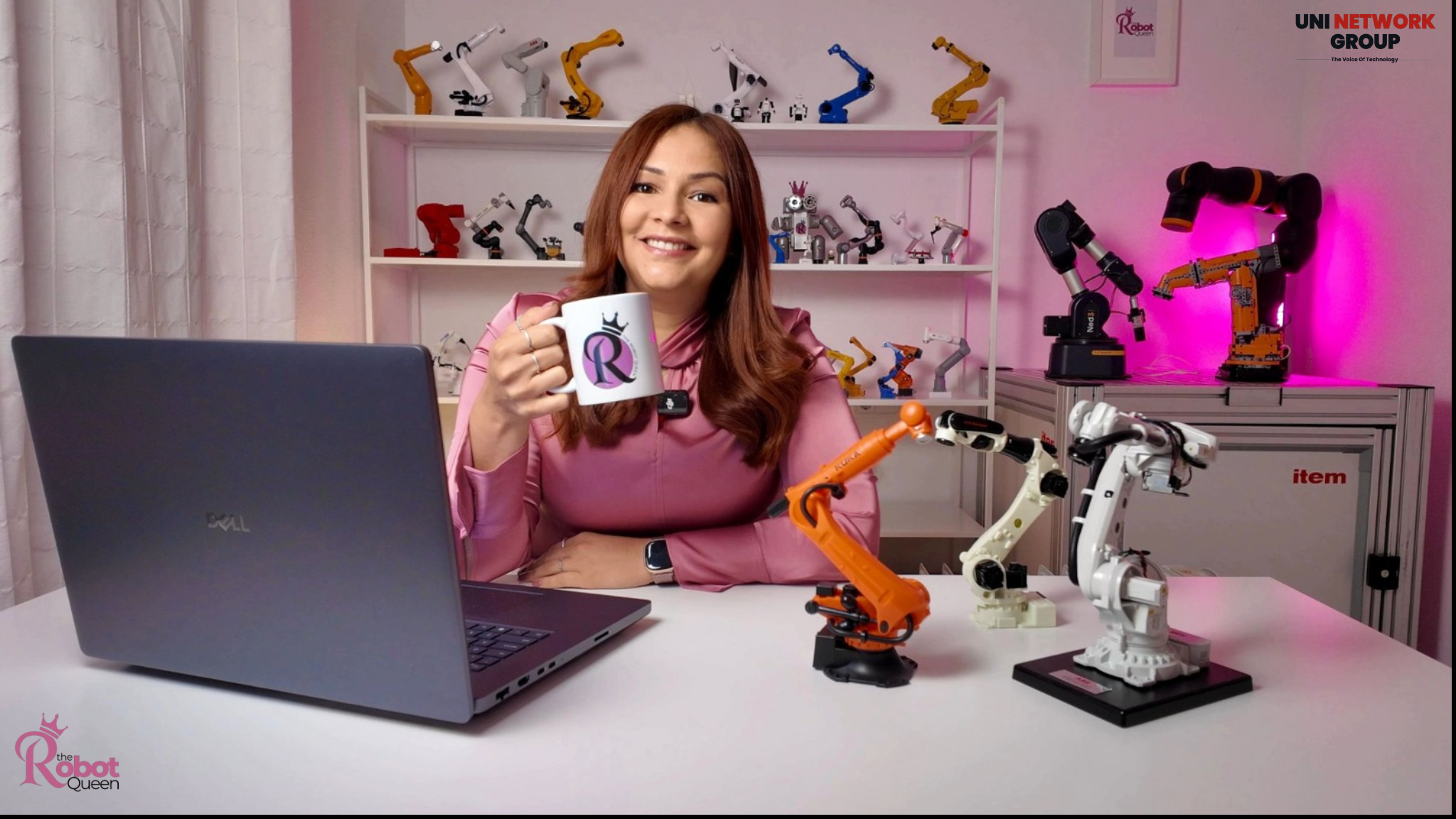
An Exclusive Interview with Vanessa Loiola Influencer | Content Creator | Keynote Speaker , The Robot Queen
KEY TAKEAWAYS
- Vanessa Loiola transformed from engineer to influencer by embracing unexpected opportunities and leveraging content to simplify robotics globally for audiences.
- She built a one-person global brand by managing strategy, content creation, and partnerships while maintaining strong boundaries for sustainable growth.
- She advocates accessible robotics education highlights industry talent gaps and inspires more women to enter automation and technology careers worldwide.
In a rapidly evolving world of robotics and automation, Vanessa Loiola is redefining what it means to build influence, impact, and innovation-while
championing diversity in a traditionally male - dominated industry. From programming robots on factory floors to becoming a globally recognized voice in robotics, her journey is both unconventional and inspiring.
In this exclusive interview with UNI Network Group Magazine , Vanessa shares her transition from engineer to influencer, the realities of building a one-person business, and her vision for the future of robotics.
Q1. You didn’t start as an influencer. What triggered this transformation?
Ans.Honestly, I never planned to become one. I started posting just to promote my business - my goal was simple: get projects, program robots, grow technically. That was it. But then something unexpected happened. By mid-2024, companies started reaching out, asking me to create content for them. At first, I kept saying no. It wasn't part of my plan. Then I asked myself a simple question: "What if this is an opportunity I'm ignoring?" So I said yes - and everything changed.
By the end of 2024, I was attending events not just as an engineer, but as an influencer. And I realized something powerful - there were almost no women doing this in robotics. That's when I knew… this was bigger than me.
Q2. Today, you’re running a global brand almost single-handedly. What does that reality look like?
Ans. It looks like chaos… but organized chaos. I'm not just creating content - I'm running a full business: strategy, scripting, client calls, reporting, negotiations, everything. Some days are 14-hour days. Right now, about 90% of my time goes into " The Robot Queen." My company is still active, but in a limited capacity. People see the videos, but they don't see the backend - the planning, the structure, the delivery expectations.Even a "simple post" is actually a full project.
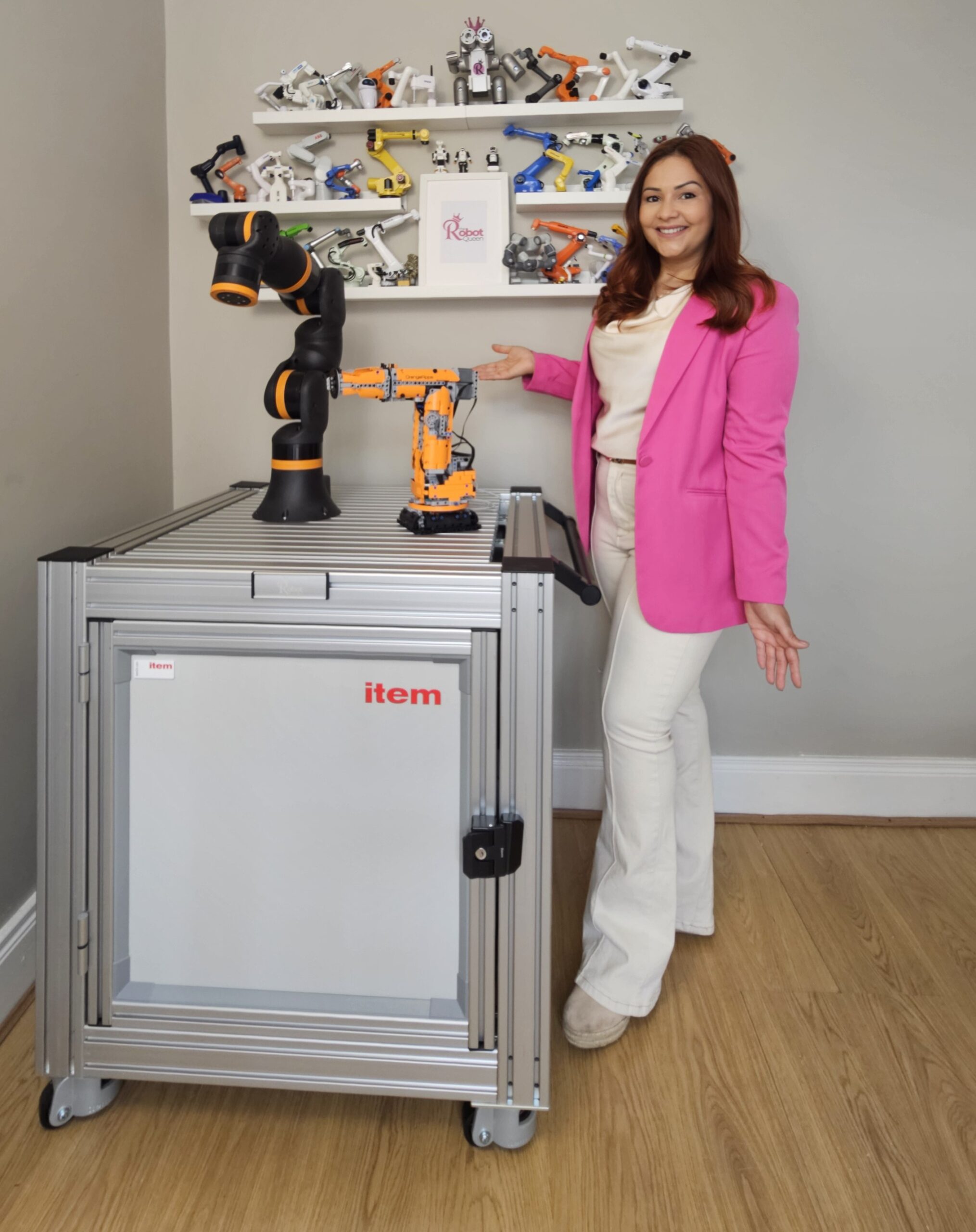
Q3. You’ve collaborated with global leaders in robotics. What makes your work stand out?
Ans.I don't just show robots - I explain them. That's the difference. Working with companies like ABB, FANUC, and KUKA, I've done everything from live event coverage to deep-dive technical content.But what brands really value is this: I make complex automation simple, relatable, and human. And in an industry like robotics - that's rare.
Q4. You’re one of the very few women visible in this space. What has that experience been like?
Ans. It's powerful - but not always easy. I've heard things like: "Women can't program robots." "This isn't a place for women." And honestly? I don't even react anymore.
Because for every negative comment, there are dozens of messages like: "You inspired me to start." "You helped me change careers." One person even started an automation company after following my content. That's when you realize - this is impact. And I've also seen change. Today, companies like Universal Robots, ABB, , KUKA, Fanuc, and others are featuring more women in their campaigns. That wasn't happening before.
Q5. You’ve spoken about building boundaries. How do you manage work-life balance?
Ans. Setting boundaries changed everything for me. I limit meetings to specific days, I don’t respond to messages on weekends, and before scheduling a meeting, I always ask what the purpose of the meeting is. It helps me understand what they need and if I’m able to help or not. Interestingly, 9 out of 10 people who request meetings don't even know what they want to discuss - and filtering that saves a lot of time. I also prioritize personal time - exercise, rest, and time with friends. Without boundaries, it's impossible to sustain this kind of workload.
Q6. You’re launching an e-learning platform. What inspired that move?
Ans. Every day, I get messages from people asking how to start in robotics, how I got into the field, and how they can follow a similar path to build their careers. And the truth is, I can’t answer everyone individually. But what I started to notice is that most of these questions are actually the same. People are not lacking motivation, they’re lacking direction. There’s a lot of information out there, but it’s scattered, and it’s hard to know what to focus on first. That’s what led me to create my academy, starting with an e learning course. The content is already recorded, and I’m now finalizing the platform. The goal is to make robotics education more accessible. Training is often expensive and not widely available. While hands-on learning is essential, online training can bridge the gap and help people get started.
Q7 .What are the biggest gaps you see in the robotics industry today?
Ans. The biggest gap is skilled robot programmers. Training is expensive and not always accessible companies struggle to find qualified talent, and employees don't always have access to learning opportunities. We need more flexible, hybrid learning models - combining online education with practical experience.
Q8. Where did the idea for Roboworx come from?
Ans. Roboworx was incubated within ARO, a managed services company where I spent more than a decade, most recently leading technology and innovation. We already had a national field-service infrastructure, and we saw a clear gap in the robotics industry. OEMs were building great machines, but customers needed reliable, local support wherever those robots were deployed.
Q9. How do you see robotics evolving in the next 3–5 years?
Ans. With the rise of AI, everything is accelerating - faster development cycles, more flexible automation systems, and increased adoption by small and mid-sized companies. I don't think we'll have humanoid robots in every home yet - but in industrial environments, we'll see significant advancements. AI will make robots easier to program and deploy, which will open doors for more businesses.
Q10. What advice would you give to someone starting in robotics today?
Ans. Don't be afraid. Robotics might seem complex, but it's not as difficult as people think. You don't necessarily need a degree to get started - you can learn step by step. If you're willing to learn and stay consistent, you can absolutely build a career in this field.
Vanessa Loiola’s journey is a powerful example of how technical expertise, personal branding, and purpose-driven content can come together to create global impact. As “The Robot Queen,” she is not just building a brand - she is opening doors for the next generation of innovators.
 Editorial Desk



 Share your Details for subscribe