


Humanoid robots capable of threading needles, dancing, handling objects, and supporting delivery operations drew global attention at the Humanoids Summit Tokyo 2026, where robotics companies showcased the latest advancements in artificial intelligence, mobility, and human-machine interaction.
While the event featured industry leaders including Boston Dynamics and Toyota Motor Corporation, much of the spotlight shifted toward emerging Chinese robotics companies that are rapidly accelerating humanoid development through cost-effective manufacturing and scalable production strategies.
Chinese Robotics Companies Gain Momentum
Among the most discussed participants were Chinese firms such as Booster Robotics and LimX Dynamics, which demonstrated humanoid systems designed for broader commercial deployment.
Industry observers noted that many Chinese developers have successfully combined robotics technologies originally pioneered in Japan and the United States with highly optimized manufacturing ecosystems, allowing them to develop humanoids at lower costs and with faster production cycles.
This trend mirrors developments previously seen in sectors such as consumer electronics, electric vehicles, and smartphones, where Chinese companies leveraged manufacturing scale and supply chain efficiency to achieve global competitiveness.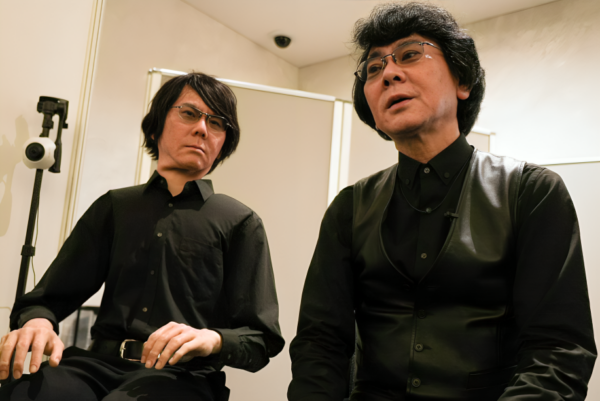
Humanoid Demonstrations Showcase Growing Capabilities
The summit featured a wide range of robotic capabilities, from dexterous robotic hands capable of threading needles to humanoids performing coordinated dance movements and object manipulation tasks.
One of the attention-grabbing demonstrations came from High Torque’s Mini Pi Plus humanoid robot, which showcased expressive movement and interactive behaviors while maintaining a relatively affordable starting price of approximately $5,500. Although not yet designed for heavy industrial applications, such systems illustrate how humanoid robotics is becoming increasingly accessible.
Additional demonstrations included robots handling clothing items, performing fine motor tasks, and supporting logistics-related activities, highlighting ongoing progress toward practical workforce applications.
Japan’s Legacy in Robotics Faces Commercial Challenges
Japan has long been recognized as a global pioneer in robotics innovation. Companies such as Honda Motor Co. introduced groundbreaking humanoid systems decades ago, including the well-known ASIMO robot.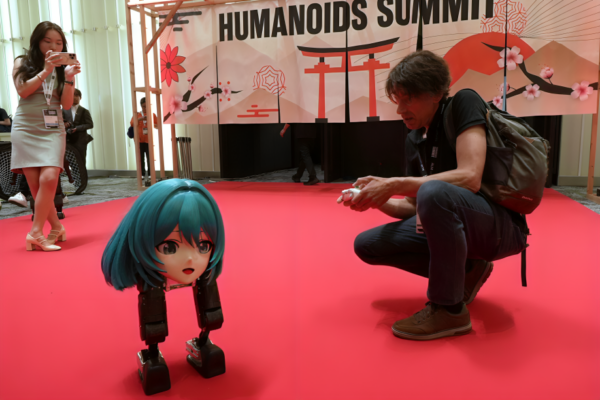
At the summit, Honda demonstrated advanced robotic hand technologies capable of handling delicate operations such as threading needles and manipulating small components with high precision. Engineers emphasized the durability, reliability, and manufacturing quality that continue to distinguish Japanese robotics development.
However, industry experts pointed out that Japan has often struggled to transform technological leadership into large-scale commercial adoption. Robotics author Tim Hornyak described this challenge as a form of “Galapagos syndrome,” where innovative technologies evolve domestically but fail to achieve widespread international commercialization.
Cultural Acceptance Remains a Japanese Advantage
Despite increasing competition, Japanese researchers remain optimistic about the country’s future role in humanoid robotics.
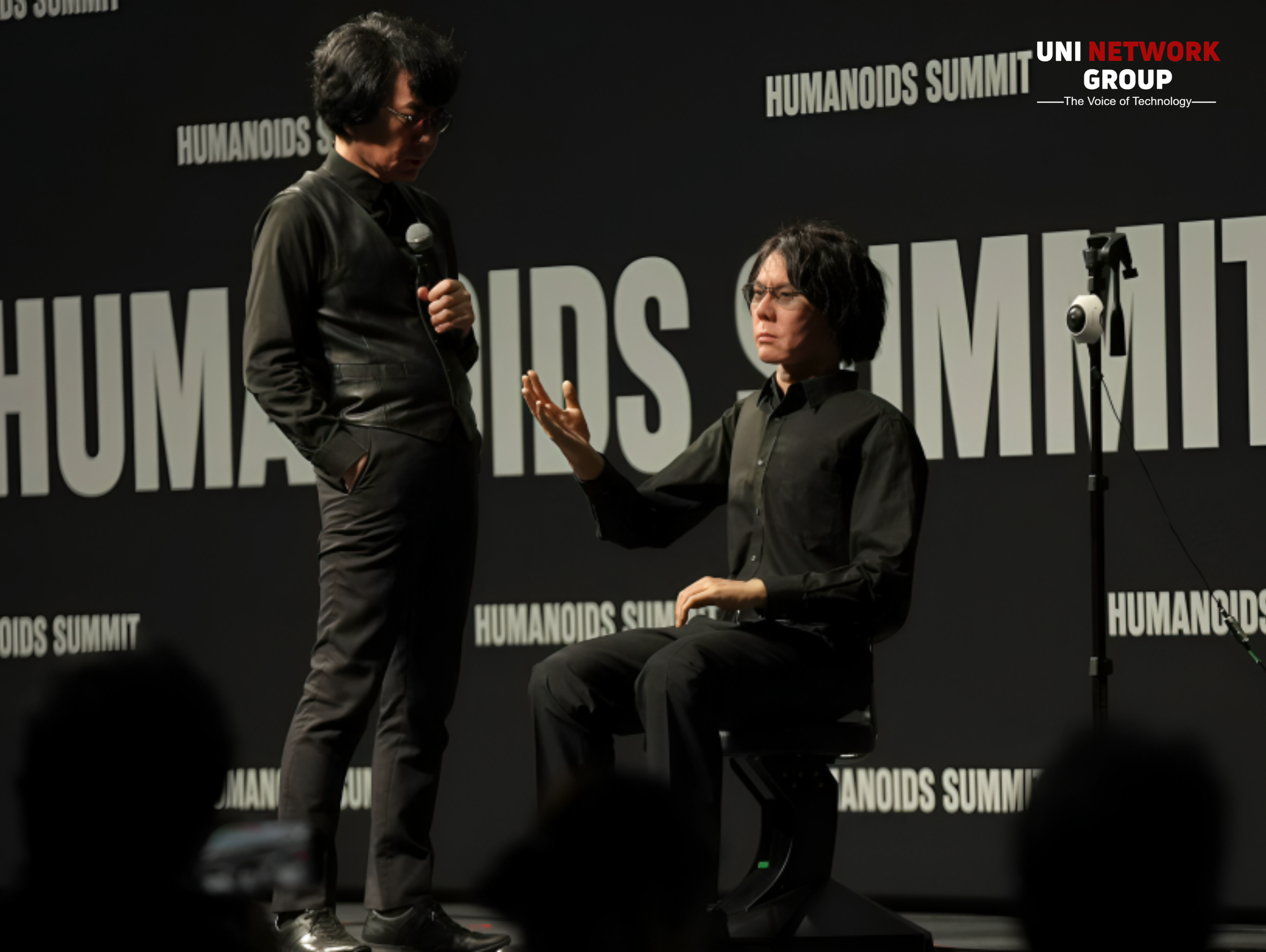
Hiroshi Ishiguro, one of Japan’s most recognized robotics researchers, emphasized that Japan’s cultural openness toward robots provides a unique advantage for real-world deployment. He argued that societal acceptance will play a critical role as humanoids move from exhibitions and demonstrations into everyday environments.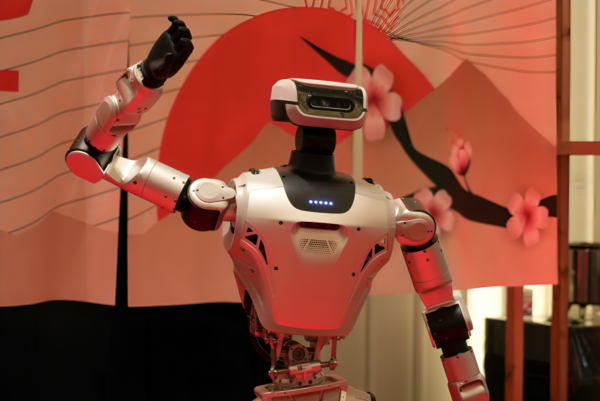
A notable example at the event included Ishiguro’s android counterpart, Geminoid, which demonstrated increasingly sophisticated conversational abilities and human-like interaction.
The Next Phase of the Humanoid Robotics Race
The Humanoids Summit Tokyo 2026 highlighted a broader shift occurring across the robotics industry. While early humanoid development focused heavily on technological breakthroughs, attention is now turning toward scalability, affordability, supply chains, and commercial deployment.
Industry discussions increasingly center on actuator systems, robotic hands, mobility platforms, and manufacturing efficiency – areas where Chinese companies are rapidly strengthening their position. Community discussions and industry research have also pointed to hardware supply chains as one of the key factors likely to determine future leadership in humanoid robotics.
As global investment in physical AI and humanoid systems accelerates, competition between Japan, China, the United States, and other emerging robotics hubs is expected to intensify.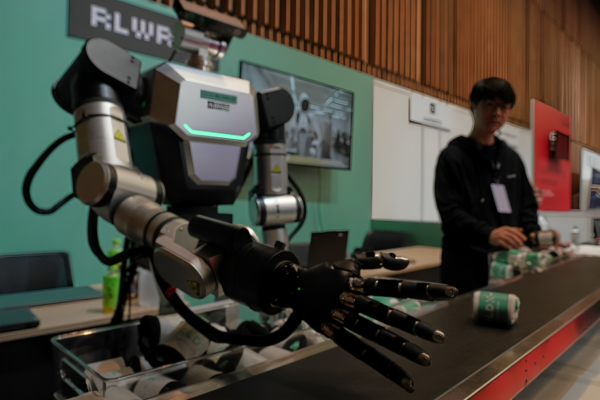
Strategic Significance
The Humanoids Summit Tokyo 2026 demonstrated that the humanoid robotics industry is entering a new phase focused on commercialization and real-world deployment. While Japan continues to lead in precision engineering, quality manufacturing, and robotics research, Chinese companies are increasingly gaining attention through cost-efficient production and rapid product iteration.
The event also underscored how artificial intelligence, robotics hardware, and manufacturing ecosystems are becoming deeply interconnected. As organizations seek solutions for labor shortages, logistics automation, healthcare support, and industrial productivity, humanoid robots are moving closer to becoming practical tools rather than experimental technologies.


 Share your Details for subscribe