



Shaping the Future of AI in Education Through Innovation, Data, and Purpose
Where Data, Leadership, and Purpose Converge to Transform Global Education.
April 5, 2026
The true power of AI lies not in automation, but in its ability to elevate human potential through responsible, inclusive, and data-informed systems.
KEY TAKEAWAYS
- Transitioned from mathematics and engineering to AI in education, focusing on data-driven systems that improve access, decision-making, and learning outcomes.
- Emphasizes leadership evolution from technical roles to strategic impact, highlighting ethics, continuous learning, and responsible innovation in rapidly evolving AI landscape.
- Advocates collaborative, mentorship-driven leadership to build inclusive, sustainable solutions that empower communities and create long-term systemic value through education.
- Stresses importance of empowering women through mentorship and representation, encouraging future leaders to shape ethical, human-centered AI systems with diverse perspectives.
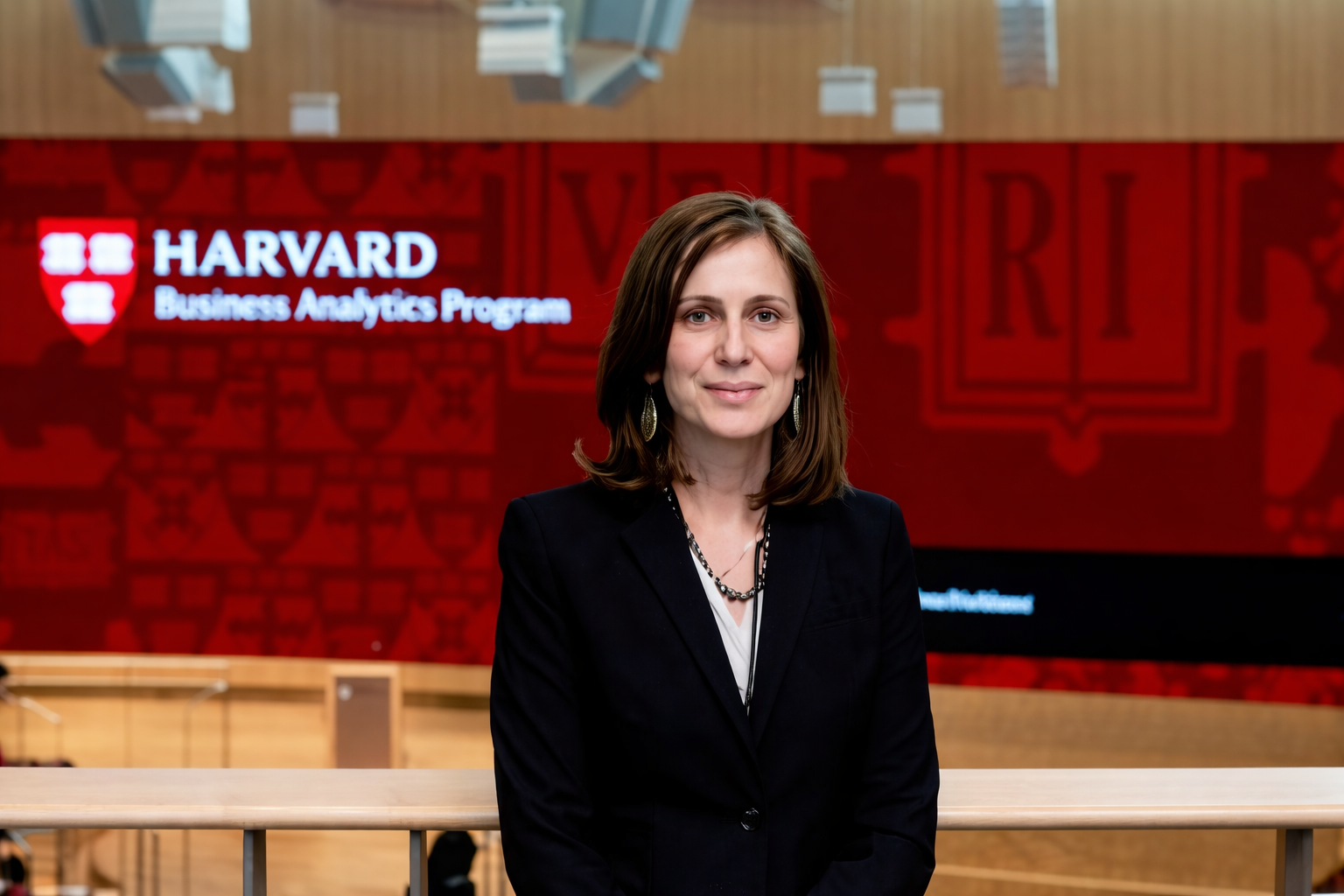
Ardiana Sula is an innovative leader in AI-driven education, blending data strategy with impactful teaching. As an Associate Professor and EdTech entrepreneur, she advances digital transformation, builds scalable learning platforms, and influences global education policy to create future-ready, data-informed learning ecosystems.
Q1. Can you share your journey in your industry and what inspired you to pursue a career in this field?
Ans.My journey began with a strong foundation in mathematics and engineering, driven by curiosity and a desire to solve complex problems. Over time, I became increasingly interested in how data and artificial intelligence could move beyond technical applications to create meaningful impact, particularly in education.
This led me to focus on AI in education, where I could combine analytical thinking with purpose designing systems that improve decision-making, expand access, and support both learners and institutions. What continues to inspire me is the opportunity to use technology not just to optimize processes, but to elevate human potential.
Q2.What has been a key turning point in your career, and what challenges have shaped your growth in this evolving industry?
Ans. A defining turning point in my career was moving from technical execution into strategic leadership, shifting from building solutions to shaping systems. This required not only technical depth, but also the ability to lead across disciplines, align stakeholders, and drive long-term impact.
The rapid evolution of AI has been both an opportunity and a challenge. It demands continuous learning, but also strong judgment assuring that innovation is grounded in ethics, data responsibility, and real-world value. Navigating this space, particularly as a woman in technology, has strengthened my voice as a leader and deepened my commitment to purposeful innovation.

Q3. How would you describe your leadership style, and what kind of impact are you striving to create through your work?
Ans.My leadership style is collaborative, intentional, and grounded in mentorship. I focus on creating environments where ideas are valued, people are supported, and innovation is aligned with purpose.
The impact I strive for is systemic, designing solutions that are not only innovative, but also inclusive and sustainable. Whether through AI, education, or program development, my goal is to build models that empower the next generation and create long-term value across communities.
Q4. How do you see AI transforming industries in the next 5–10 years, and where do you see the biggest opportunities?
Ans. AI is becoming a data-driven decision-making tool across every industry, enabling experts to make faster, more informed, and more strategic decisions. It will strengthen how professionals analyze data, identify patterns, and act with greater clarity and confidence.
The biggest opportunities lie in integrating AI into core decision-making processes, especially in sectors like education, healthcare, and public systems, where data- informed insights can significantly improve outcomes and efficiency. The true transformation will depend on how responsibly these systems are designed and used, ensuring transparency, fairness, and a strong human-centered approach.
Q5. What more can be done to empower women in this industry, and what advice would you give to the next generation?
Ans. Empowerment requires more than access. It requires mentorship, representation, and sustained support. Women must not only be included in AI, but actively lead the design of AI products that are grounded in responsible AI principles, ensuring systems are ethical, inclusive, and aligned with real human needs.
To the next generation, stay curious and build your skills with intention. Step into leadership roles early, especially in shaping how AI is designed and applied. Seek out communities that support you, focus on solving meaningful problems, and trust that your perspective brings critical value. Diverse voices are essential to building AI systems that are fair, trustworthy, and impactful.
 Editorial Desk







 Share your Details for subscribe