

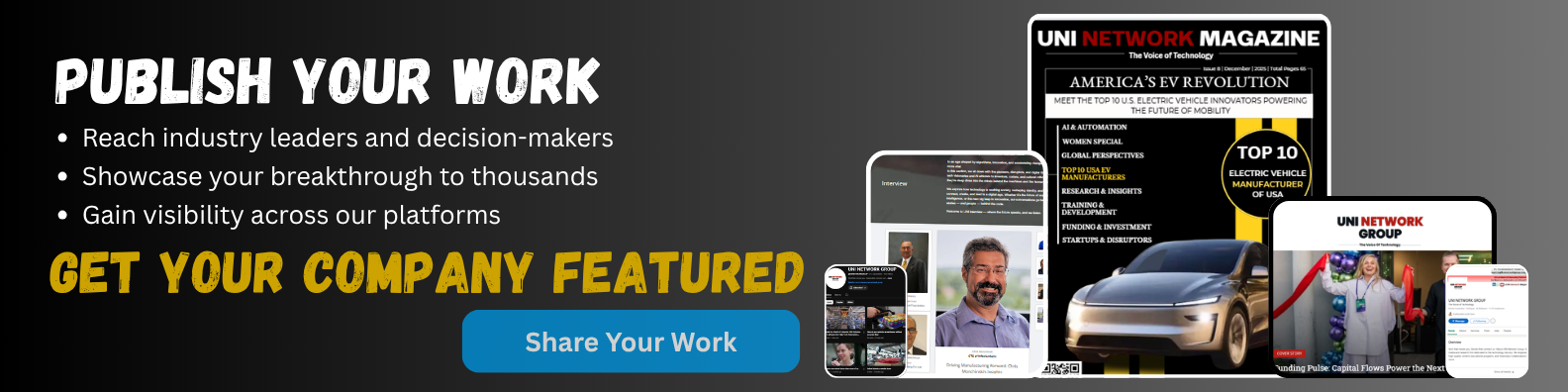


From Fortune 100 Executive to AI Founder: How Nita Laad is Reimagining Product Innovation Through Agentic AI
Building the “Brain” of Modern Product Organizations and Empowering Teams to Move from Administration to Innovation
June 20, 2026
An Exclusive Interview with Nita Laad , Founder and CEO - Nexia AI
KEY TAKEAWAYS
- Nexia AI automates product workflows, transforming weeks of planning, analysis, and documentation into minutes.
- Nita Laad leverages Fortune 100 experience to build AI-powered product innovation platforms globally.
- Agentic AI enables startups to scale efficiently, enhancing productivity while maintaining customer trust.
- Successful founders combine resilience, strategic focus, strong teams, and continuous adaptation to change.
Artificial Intelligence is rapidly transforming how businesses operate, but few leaders are applying AI to one of the most critical functions inside an organization - product management. In this exclusive IndustryWeek-style interview, Nita Laad, Founder & CEO of Nexia AI, shares how she transitioned from leading billion-dollar business portfolios at Fortune 100 companies to building an AI startup that is redefining product strategy, roadmap planning, and enterprise innovation.
Supported by industry giants such as NVIDIA, Google, and AWS, Nexia AI is helping organizations reduce weeks of product planning into minutes while enabling product teams to focus on what matters most—customers, strategy, and growth.
Q1. What inspired the creation of Nexia AI, and what market challenges or opportunities did you identify that motivated you to build the platform?
Ans. Throughout my career in engineering, product management, and go-to-market leadership, I noticed a recurring problem. Product organizations are expected to be the innovation engines of a company, yet many product managers spend most of their time conducting research, preparing documentation, aligning stakeholders, and managing administrative processes.
When generative AI and large language models began maturing, I saw an opportunity to fundamentally change that reality. My vision was simple: create an intelligent AI partner that handles operational complexity so product leaders can focus on innovation, customers, and strategic growth.That vision became Nexia AI.

Q2 What industry challenge is Nexia AI solving today?
Ans. Most organizations underestimate the amount of time product teams spend on non-strategic activities including documentation and repeated analysis. Competitive analysis, customer research synthesis, roadmap prioritization, stakeholder alignment, requirements documentation - these tasks consume enormous amounts of time.
Our platform automates these workflows using AI and intelligent agents. Instead of spending weeks analyzing information and creating documentation, teams can generate prioritized roadmaps, actionable insights, and decision-ready recommendations in minutes.The goal isn't to replace product managers. The goal is to elevate them.
Q3.You had a successful Fortune 100 career. Why take the entrepreneurial leap?
Ans. I've always evaluated opportunities based on learning and impact radius rather than titles.The AI revolution created a unique moment. If I built AI products within a large enterprise, my impact would be limited to that organization and its customers. By creating my own company, I could potentially impact product teams in the entire industry.
Entrepreneurship had been in my long-term plan, but I wanted to develop expertise across engineering, product, business strategy, and customer engagement before making the transition. AI simply accelerated that decision.
Q4. What challenges have surprised you most as an AI founder?
Ans.The pace of change.Every week there is a new model, new framework, or new approach to building intelligent agents. The technology landscape is constantly evolving.At the same time, customers have very different expectations. Some organizations want complete human oversight. Others want greater automation and agentic autonomy. Balancing those requirements while ensuring security, trust, and governance creates a complex product challenge.The technology evolves quickly - but customer trust remains the ultimate differentiator.
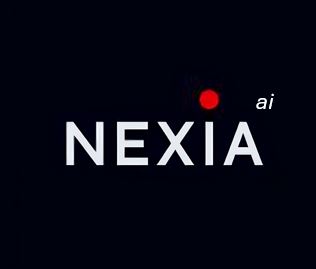
Q5. How has AI transformed the way startups operate, build products, and scale today?
Ans. Dramatically.We are a small and nimble team, but through smart leverage of AI agents we operate with the productivity of a much larger organization.Our AI systems support lead generation, customer outreach, marketing operations, and support workflows. This allows our human team to concentrate on high-value activities such as customer relationships, strategy, and product innovation.We're witnessing the emergence of a completely new startup operating model.
Q6. As a woman leading an AI startup, what perspective do you bring to leadership?
Ans. I've never approached opportunities through a lens of whether they're meant for men or women.I've always viewed myself as a professional competing on expertise, execution, and results. My perspectives are based on my lived leadership experiences.
While challenges exist in every industry, I believe professionals should focus on developing skills, building credibility, creating measurable outcomes, and positioning themselves effectively. Success comes from capability and consistency.Your work should speak louder than stereotypes.
Q7. You frequently speak about the importance of personal branding. Why is it so critical?
Ans. Because decisions on opportunities are often made before introductions.Personal branding isn't social media popularity. It's the long-term accumulation of credibility, expertise, achievements, and thought leadership.People should invest in publishing, learning, building expertise, speaking their share of voice,and creating a strong digital presence. When decision-makers search your name, your professional story should align with your identity and communicate your value.In today's economy, your reputation is a strategic asset.
Q8. How do you manage pressure while scaling a startup?
Ans. Clarity of strategic direction, deep understanding of customer needs and planning eliminates a surprising amount of stress.I believe founders need three things:
- A clear strategic plan and deep customer research.
- Strong financial discipline.
- Ruthless prioritization.
Every day I identify my top 2-3 priorities, what absolutely cannot fail and focus resources there. Everything else becomes secondary.The second key is delegation. Exceptional people have joined our team, and I trust them to make decisions. A founder's job is not to control everything—it's to create alignment, empowerment and momentum.
Q9. Can you share a real-world example of a customer success story ?
Ans. One of our customers Blive was struggling with lengthy product planning cycles. Competitive analysis alone could consume a week, while stakeholder alignment often delayed releases for months.Using our product, the company transformed customer research, roadmap prioritization, and stakeholder collaboration into a streamlined AI-powered process.Tasks that previously required multiple weeks were completed in minutes.More importantly, product, engineering, and sales teams gained transparency and alignment around decision-making, dramatically improving execution speed.
Q10. What has been your approach to customer acquisition, and which channels or strategies have been most effective in driving early growth?
Ans. We started building awareness on our company and the problem we were solving online before writing a single line of code.We focused heavily on thought leadership, industry engagement, and communicating the specific problem we were solving through our product. That generated inbound interest before the product was launched.
Today, AI agents handle much of our prospecting and outreach. However, every customer interaction remains highly personal. Our leadership team works directly with customers because B2B relationships are built on trust.Technology opens the door. Trust closes the deal.
Q11. Five years from now, how do you see Nexia AI shaping the future of product management and the rise of agentic AI in organizations?
Ans. The future belongs to intelligent, trusted, autonomous systems.Today, most AI solutions operate with humans in the loop and we measure efficacy of the product through trust scores and reinforced learning. Over time, we'll see greater autonomy, stronger governance frameworks, and deeper integration across enterprise systems.Our vision is to become the intelligent operating layer for product organizations - a platform that can understand customer needs, prioritize opportunities, coordinate stakeholders, and continuously optimize execution.Ultimately, we want product leaders spending their time with customers and strategy - not administrative work.
Q12. What key advice would you share with aspiring founders who are building in today’s fast-changing, AI-driven startup ecosystem?
Ans. Entrepreneurship is exciting, but it is also highly demanding.You need resilience, adaptability, and the ability to handle rejection. You need a strong network and a realistic understanding of the sacrifices involved.Most importantly, understand that there is a cost to action—but there is also lost opportunity cost of inaction.The biggest risk is not failure - it is not trying.If you have conviction and data, prepare thoroughly, build the right team, and take the leap.
Editor's Take
At a time when AI conversations are dominated by productivity claims and technology hype, Nita Laad offers a refreshingly strategic perspective. Her focus is not on replacing human expertise but on amplifying it. By combining enterprise leadership experience with startup agility, she is building a platform that could fundamentally reshape how product organizations operate.
As enterprises race toward AI adoption, leaders like Nita remind us that the future of work isn't simply about automation—it's about enabling people to focus on the highest-value decisions that drive innovation.
"The goal of AI is not to replace product leaders. The goal is to offload the administrative burden so they can focus entirely on customers, strategy, and innovation." Nita Laad, Founder & CEO, Nexia AI
 Editorial Desk





Advertise with Newsletter
 Share your Details for subscribe