
ACADEMIA & INDUSTRY


Magazine
Magazine
Magazine

Magazine

Magazine
Magazine


Customer Stories
ACADEMIA & INDUSTRY
Helix by Figure: The Future of Robotics with Vision-Language-Action Models
Helix combines vision, language understanding, and action control to advance AI and robotics
Interview
WOMEN SPECIAL
The Gender Gap in Tech: Why Are There So Few Women in Coding?
A study by Dr. Siân Brooke (LSE) explores gender disparity in coding, its causes, and its impact on tech innovation
CUSTOMER STORIES
How Snowflake’s New CEO Plans to Scale the $50.96B Giant
Snowflake CEO Sridhar Ramaswamy shares his plan to scale the $50.96B giant.
AI & ROBOTICS
Setting the standard for responsible and impactful AI
Discussing how to build AI systems that are responsible and impactful...
INTERVIEW
Lowe’s talent stack is shaping the future of omnichannel retail
A look at Lowe’s innovative approach to omnichannel retail...
ACADEMIA & INDUSTRY
Figure Unveils BotQ: The World's Largest Humanoid Production Line
Figure is set to revolutionize the robotics industry with BotQ...
ACADEMIA & INDUSTRY
Helix by Figure: The Future of Robotics with Vision-Language-Action Models
Helix represents a groundbreaking step in AI and robotics...
NADADATA
Midyear Report

Auto Sales 2025
Risks in the US
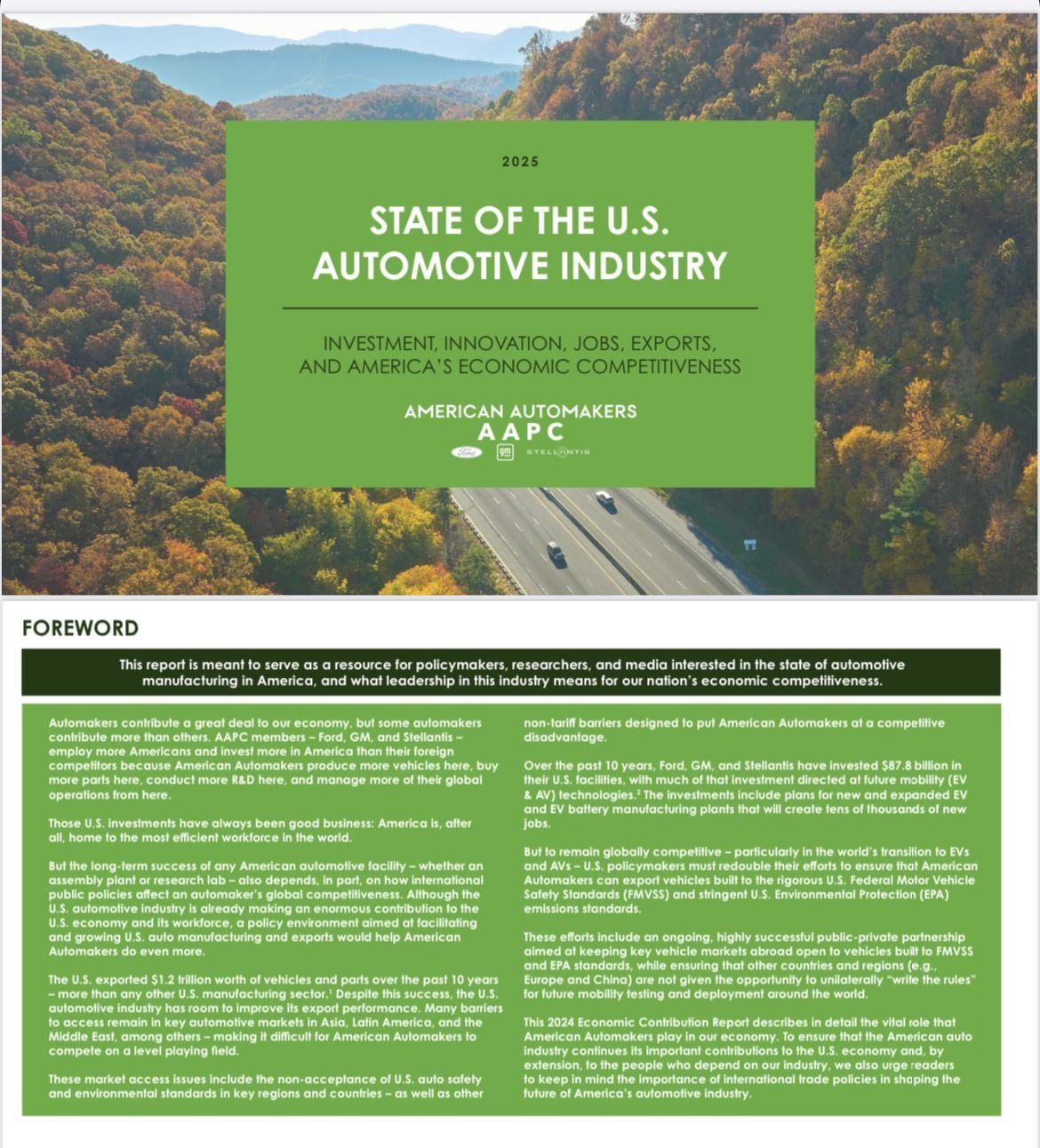
Industry Report
American Automakers
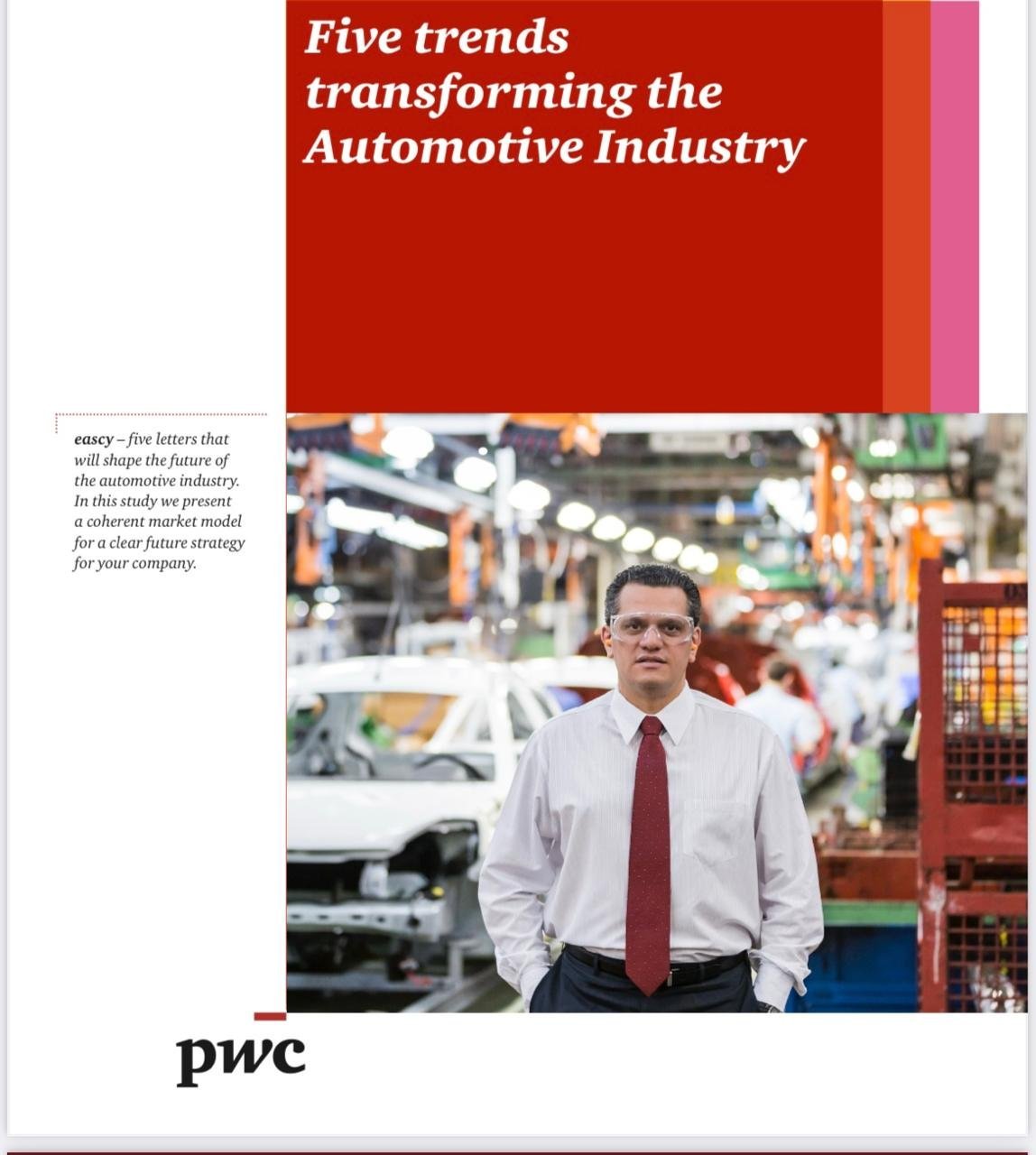
Industry trend
PWC Report

Robotic Industry
Association Report
Technology Trend
McKinsey Digital
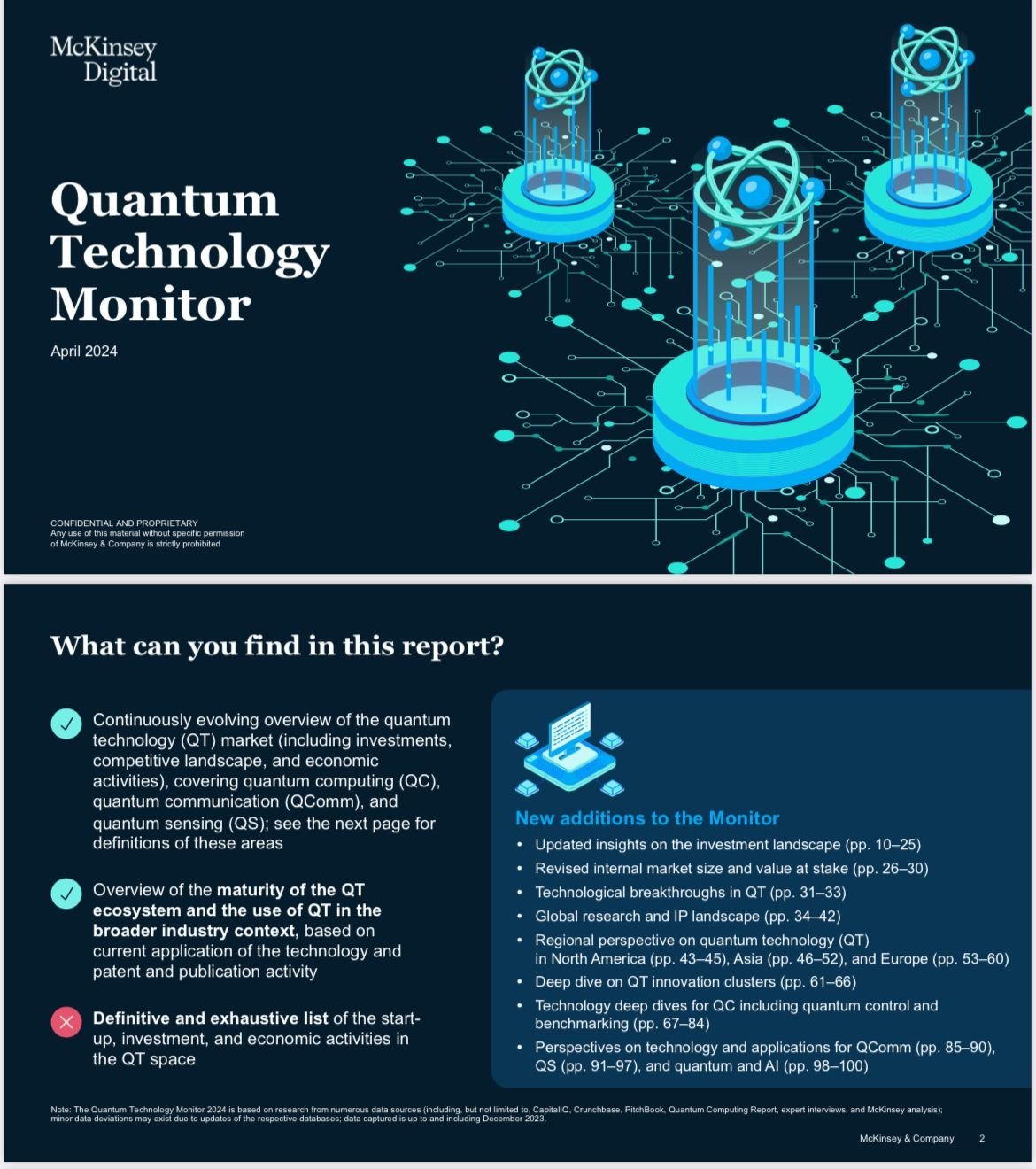
Quantum technology
McKinsey Digital
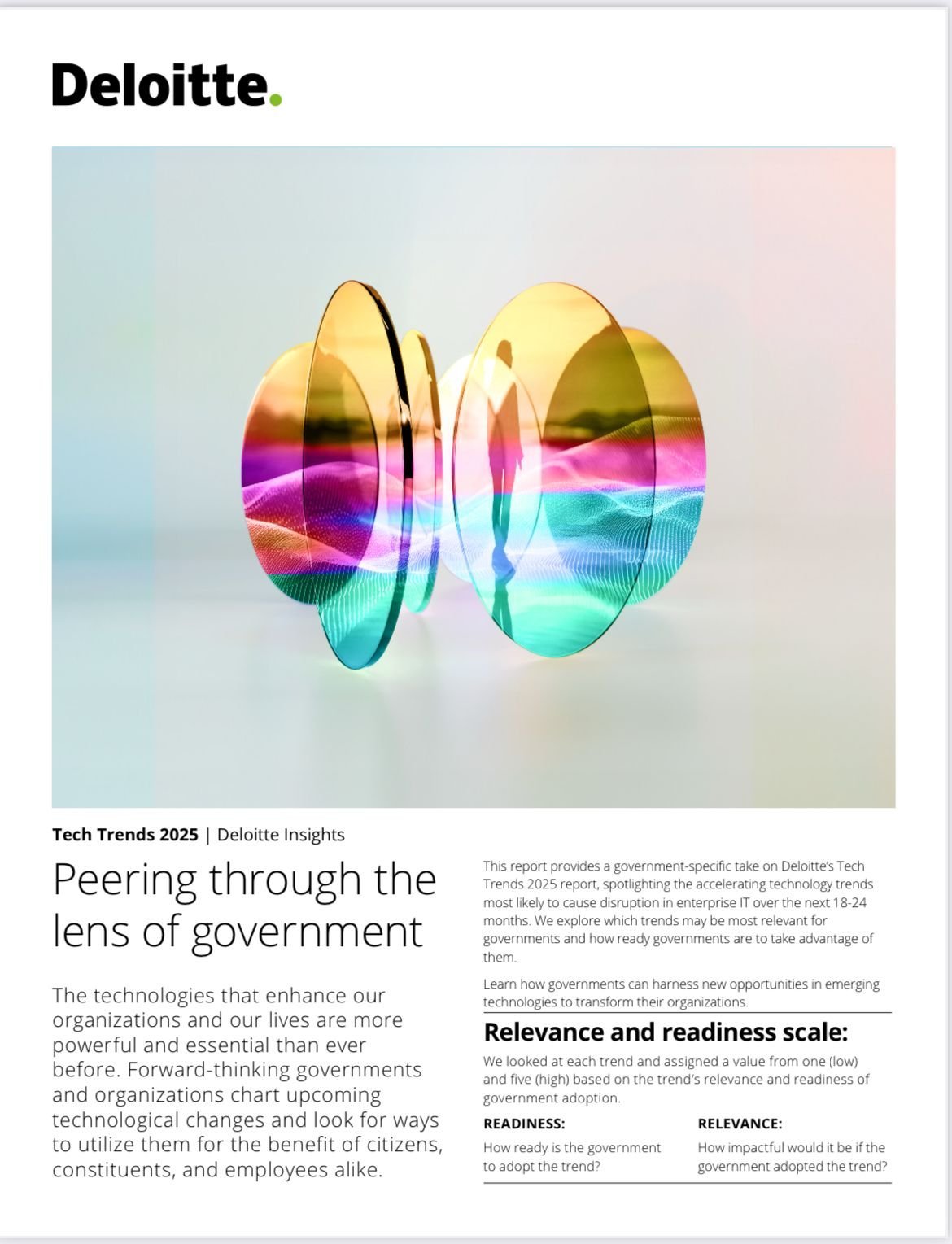
Tech Trends 2025
Deloitte
The San Diego Zoo Wildlife Alliance (SDZWA) has announced major progress in its mission to build a globally distributed network of biodiversity biobanks, marking a crucial step toward its ambitious goal to biobank every endangered species by 2075.
Revealed at the IUCN World Conservation Congress in Abu Dhabi, the initiative expands biobanking capabilities in Kenya, Vietnam, Hawai‘i, and Peru—regions rich in biodiversity but facing accelerating species decline. The effort aligns with SDZWA’s commitment to global conservation through science, technology, and collaboration.
“Advances in biotechnology and data science bring us new hope,” said Dr. Nadine Lamberski, Chief Conservation and Wildlife Health Officer at SDZWA. “We’re calling on global partners to join us in biobanking the planet’s endangered species before it’s too late.”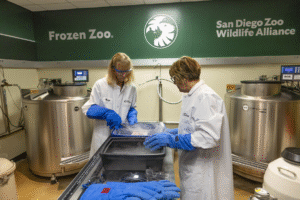
The announcement also coincides with the 50th anniversary of SDZWA’s pioneering Frozen Zoo®, the world’s largest repository of living wildlife material. The organization recently hosted the inaugural Frozen Zoo Symposium, uniting experts from 15 countries to exchange biobanking knowledge and train new conservation scientists.
Each regional hub focuses on network building, knowledge exchange, and resource sharing to develop equitable biobanking infrastructure. From Kenya’s upcoming biobank headquarters to Vietnam’s wildlife policy reform and Hawai‘i’s cryogenic training programs, the project demonstrates how technology can serve as a critical tool for sustainability and ecological preservation.
MiTAC Computing Technology Corporation, a leading server platform designer, and Belgian renewable energy innovator Tonomia have signed a Memorandum of Understanding (MOU) to establish a strategic partnership aimed at delivering sustainable AI infrastructure. The agreement was formalized during the Belgian Economic Mission to the U.S. West Coast, attended by dignitaries and HRH Princess Astrid.
The partnership combines MiTAC’s advanced GPU server platforms with Tonomia’s renewable energy solutions to create low-carbon, high-performance AI clusters. This initiative targets global enterprises seeking scalable, eco-friendly computing solutions.
Operational Details
Tonomia’s modular approach integrates solar carports, on-site battery storage, and distributed AI infrastructure. Underutilized spaces like parking lots are converted into clean energy hubs, powering AI workloads while utilizing waste heat for greater efficiency. MiTAC contributes GPU servers and advanced computing platforms optimized for HPC, AI, and cloud applications.
Community and Environmental Impact
By reducing the environmental footprint of energy-intensive AI operations, this collaboration addresses the growing demand for sustainable, high-performance computing. It benefits building owners and operators with optimized grid support and efficient energy use, while providing enterprises with powerful AI capabilities on a clean energy foundation.
Strategic Significance
“This partnership demonstrates MiTAC’s commitment to open innovation and practical sustainability in data centers,” said Rick Hwang, President of MiTAC Computing Technology. Dr. Mustapha Belhabib, CEO of Tonomia, added that the collaboration enables deployment of GPU-enabled AI clusters powered entirely by renewable energy.
About MiTAC Computing Technology Corporation
A subsidiary of MiTAC Holdings, MiTAC Computing specializes in energy-efficient servers and integrated AI, HPC, cloud, and edge computing solutions. With global R&D, manufacturing, and support capabilities, MiTAC empowers businesses with scalable, high-performance platforms optimized for sustainability.
The New Mexico Economic Development Department (EDD) and GreenPower Motor Company Inc. have unveiled the New Mexico All-Electric, Purpose-Built, Zero-Emission School Bus Pilot Project, marking a significant step toward sustainable transportation in public education. The pilot begins with three GreenPower Nano BEAST buses serving schools in Las Vegas and Santa Fe.

A First for New Mexico Schools
The two-year pilot project introduces Type A Nano BEAST buses to Las Vegas City Schools, West Las Vegas Schools, and Monte del Sol Charter School in Santa Fe. Supported by $5 million in state capital outlay funding, the initiative aligns with New Mexico’s Energy Transition Act, targeting 100% zero-carbon electricity by 2045.
Operational Details of the Pilot
In year one (2025–26), three Nano BEAST buses will rotate across districts, each tested under different charging and operating conditions. Year two (2026–27) will expand with two Type D BEAST buses and one Mega BEAST bus. GreenPower will oversee charging infrastructure installation, driver and mechanic training, first responder readiness, and telematics monitoring in partnership with Highland Electric Fleets and Geotab.
Economic and Environmental Impact
The state anticipates reduced operating and maintenance costs, improved air quality, and new opportunities for federal funding support. According to GreenPower CEO Fraser Atkinson, data on range, infrastructure, cost savings, and community response will guide broader adoption. If successful, the state has pledged an additional $15 million investment for expanding zero-emission fleets.
 Strategic Significance for GreenPower
GreenPower’s Nano BEAST buses are designed with 118 kWh battery packs, up to 140-mile range, and flexible seating options, including accessibility features. Built on the EV Star Cab & Chassis platform, these vehicles integrate global components while meeting U.S. regulatory standards. The pilot project also enhances GreenPower’s role as a key partner in the U.S. transition to all-electric school and transit fleets.
Leadership and Community Voices
Governor Michelle Lujan Grisham and EDD Secretary Rob Black highlighted the project’s role in shaping a sustainable, diversified economy and inspiring students as future environmental stewards. Local school leaders welcomed the initiative, citing benefits in student health, fleet modernization, and alignment with sustainability values.
 Share your Details for subscribe