Zebra Technologies has recognized Kaylie Rose with its Global Marketing Excellence Award, making her the first recipient of the honor in 2026. The award acknowledges her outstanding leadership and contributions to the company’s marketing initiatives, particularly during the North America Sales Kick Off and Channel Partner Summit. The recognition underscores the importance of strategic collaboration, innovative event experiences, and cross-functional…
A major leadership development unfolds as Larry Kellerman, Chief Power Officer of Fermi America, has been nominated to join the company’s Board of Directors by…
The Hefei National High-tech Industry Development Zone in Anhui Province, China, is emerging as a benchmark for sustainable urbanization and technological innovation. Known for its “One Mountain, Two Lakes” vision, the zone integrates ecological preservation, research infrastructure, and a modern living ecosystem—offering a unique blend of science, industry, and lifestyle.
An Ecological Backbone Driving Growth
At the heart of the zone lies Dashu Mountain, often referred to as the “green lung,” with over 95% forest coverage. It conserves more than 10 million cubic meters of water annually, supporting environmental sustainability while fueling high-quality development. Surrounding Shuxi Lake and Baiyan Lake, the ecosystem connects nature with cutting-edge research and vibrant urban life.
A Hub of Science and Industry
Shuxi Lake is home to the National Quantum Laboratory and the Institute of Advanced Technology of the University of Science and Technology of China, surrounded by 700+ high-tech enterprises within a 3-kilometer radius. Meanwhile, Baiyan Lake anchors a soil-water conservation theme park, complemented by housing, education, and commerce—ensuring a balanced “live-work” environment.
Innovation at Scale
The Hefei zone is a magnet for high-value industries. The Grand Union of Innovation incubator produces a new startup every three days, while China Speech Valley drives daily AI patent filings. These achievements highlight the zone’s pivotal role in strengthening China’s position in quantum computing, artificial intelligence, and advanced technologies.
Building a Global Model
With its ambitious “world-class high-tech zone” blueprint, Hefei is advancing systematic upgrades in education, healthcare, transport, and governance. Initiatives such as smart lakeside tracks, upgraded hospitals, and entrepreneurship hubs at Zhong’anChuanggu Technology Park are shaping a city that is not only innovative but also livable, resilient, and globally competitive.
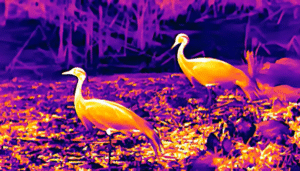
Raytron Technology Co., Ltd., a global leader in infrared thermal imaging, has unveiled a suite of advanced solutions designed to protect wildlife, habitats, and human safety. By enabling non-invasive observation and ecosystem monitoring, Raytron’s technology is redefining how conservationists, rangers, and environmental agencies safeguard biodiversity.
Thermal Imaging for Non-Invasive Wildlife Observation
Conservationists face major challenges when monitoring wildlife at night or in dense habitats. Raytron’s high-resolution thermal cameras detect heat signatures without disturbing animals, enabling continuous observation across forests, wetlands, and mountains. During the Asian elephant migration in Yunnan, Raytron deployed 40+ thermal cameras to help authorities safely track the herd and prevent human-wildlife conflict.
Enhancing Safety for Outdoor Adventures
Raytron’s portable thermal monocular integrates thermal imaging with a laser rangefinder (LRF), providing distance measurements up to 1,000 meters. Whether in fog, snow, or darkness, adventurers can detect cliffs, sudden drops, and hazards. In emergencies, thermal drones locate missing persons and guide rescuers along the safest routes, saving critical time.
Strengthening Ecological Protection
Raytron’s thermal imaging also addresses large-scale environmental threats:
Forest fire prevention: Detects smoldering fires up to 20 km away.
Wetland monitoring: Maps temperature variations to identify pollution sources.
Endangered species protection: AI-powered surveillance detects poaching and illegal activities in protected areas such as the Yangtze River basin.
A Commitment to Environmental Sustainability
From preventing wildfires to conserving endangered species, Raytron is leveraging AI-powered dual-spectrum systems and environmentally conscious design. Its mission: to make the invisible visible—empowering environmental professionals worldwide to ensure sustainable ecosystem management.
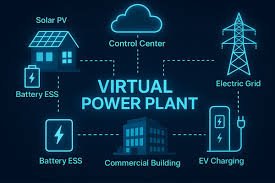
The Connecticut Green Bank has partnered with GoodLeap, a leading finance and technology platform for sustainable home solutions, to roll out a statewide AI-powered Virtual Power Plant (VPP) initiative. The program will aggregate residential solar and energy storage systems through Connecticut’s Energy Storage Solutions program to lower costs for homeowners, improve grid stability, and advance the state’s clean energy goals.
AI Meets Clean Energy
At the core of this effort is GoodLeap’s proprietary GoodGrid software, the fastest-growing VPP network in the U.S. Integrated with utility Distributed Energy Resource Management Systems (DERMS), the technology can coordinate thousands of home solar and battery systems into a single responsive network. This enables:
Peak demand reduction to relieve grid strain
Deferred infrastructure investments for utilities
Lower overall energy costs by avoiding expensive peak-time power generation
Benefits for Homeowners
Eligible Connecticut residents will be able to:
Earn monthly cash rewards through GoodGrid
Access clean, resilient energy solutions
Participate in grid services without sacrificing comfort or convenience
“Together with GoodLeap, we are working to ensure that Connecticut residents — especially those in vulnerable communities — benefit from clean, resilient, and affordable energy solutions,” said Bryan Garcia, President and CEO of the Connecticut Green Bank. “We saw GoodLeap leading on VPPs in other states around the country and felt that their technology, products and services were needed in Connecticut to help our families realize the benefits of these distributed energy resources. This initiative will bring new resources to homeowners and ratepayers while supporting our state’s climate and energy goals.”
“We are thrilled to work with the Connecticut Green Bank to scale residential clean energy and energy storage solutions across the state,” saidDaniel Lotano, Chief Operating and Strategy Officer at GoodLeap. “Our technology has already helped tens of thousands of homeowners across the United States earn money for supporting a more reliable grid, and we’re glad to bring our AI powered VPP software and our deep residential customer expertise to Connecticut.”
Equitable Access & Community Engagement
The Green Bank will provide technical assistance to streamline project development and interconnection while also leading stakeholder outreach to ensure equitable participation.
The Energy Storage Solutions program is overseen by the Public Utilities Regulatory Authority, funded by electric ratepayers, and jointly administered by the Connecticut Green Bank, Eversource, and UI.










 “Together with GoodLeap, we are working to ensure that
  “We are thrilled to work with the Connecticut Green Bank to scale residential clean energy and energy storage solutions across the state,” said
 Share your Details for subscribe